
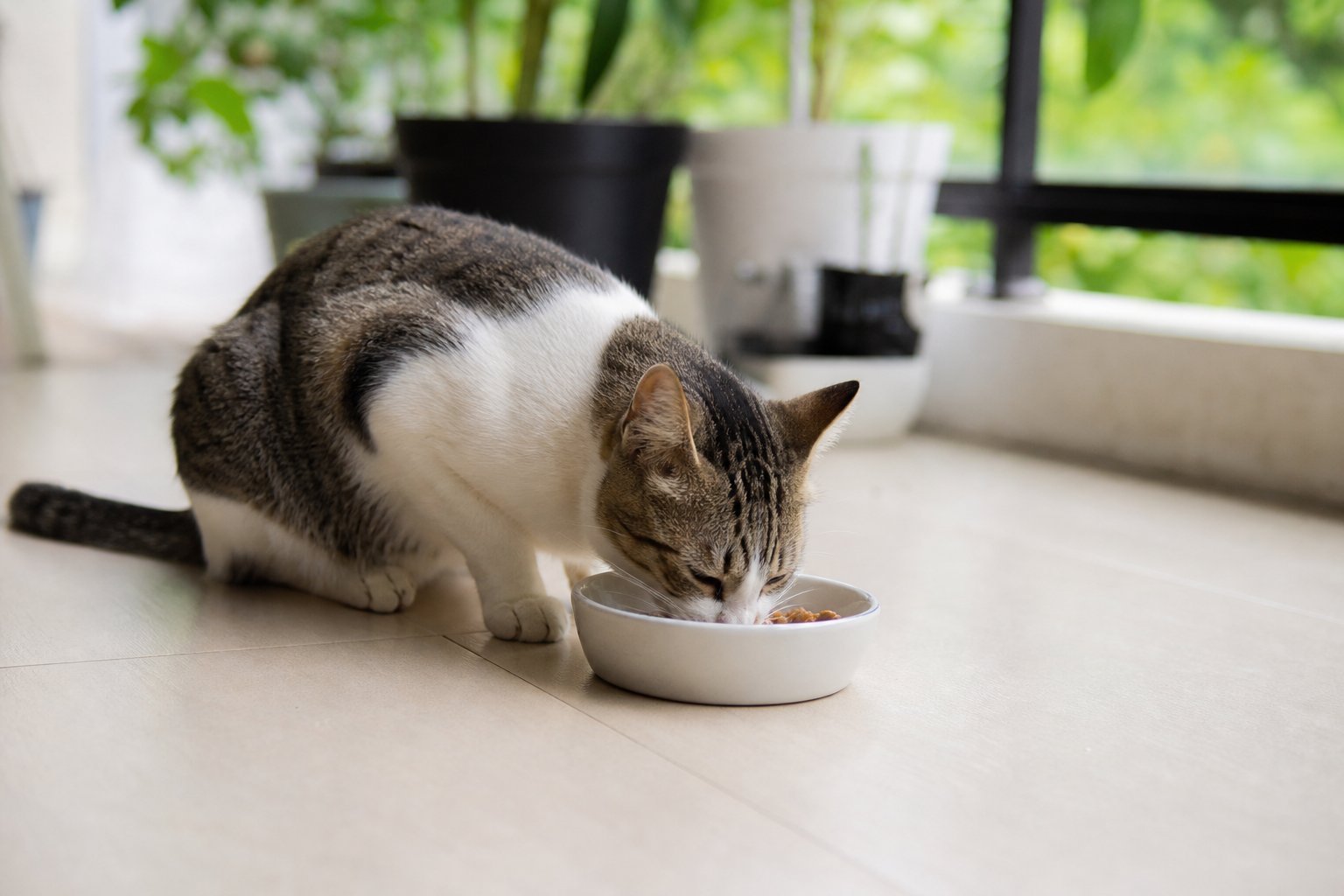
Start with a vet, not a shopping cart
If your cat is itchy, licking its paws, shaking its head, or having soft stools, it is tempting to buy a hypoallergenic bag online and hope for the best. That usually wastes money and delays relief. Food allergy is one of several possible causes, and it cannot be confirmed by a home food switch alone.
A veterinarian will first check for fleas, ear mites, skin infections, ringworm, parasites and other conditions. Only after those are excluded should a diet trial be planned. In Malaysia, this step matters because warm, humid weather can worsen skin problems, and flea exposure is common in many neighbourhoods.
Once your vet suspects a food allergy, the next step is choosing the right diet. This guide explains what hypoallergenic really means, how to compare products, how to read labels, and how to run a trial that gives a clear answer.
What hypoallergenic cat food actually means
Hypoallergenic is a marketing-friendly word, not a regulated guarantee. A diet is only hypoallergenic for your individual cat if it avoids the proteins your cat has already been exposed to. The same food can be hypoallergenic for one cat and a trigger for another.
There are two main approaches:
- Hydrolysed diets: the protein is broken into very small fragments so the immune system is less likely to recognise it. These are often used for cats with a long history of many proteins.
- Novel-protein diets: the food uses a protein your cat has never eaten, such as venison, duck, rabbit or insect protein. These work only if the cat has genuinely never had that protein.
Some diets combine both ideas. Others use limited ingredients. The key is not the label word but whether the diet avoids your cat's triggers and is complete and balanced.

Step-by-step: how to choose a hypoallergenic diet
1. Get a diagnosis plan from your vet
Ask your vet whether a food trial is appropriate, how long it should last, and what other tests are needed. Your vet may recommend a hydrolysed prescription diet or a specific novel-protein diet based on your cat's history.
2. List every food your cat has eaten
Write down all dry food, wet food, treats, dental chews, milk, table scraps and supplements your cat has had in the past. This list tells you which proteins to avoid. Chicken, beef, fish and dairy are common triggers because they are common ingredients.
3. Choose a diet that avoids those proteins
If your cat has eaten chicken and fish, a chicken-based hypoallergenic food is not suitable. Look for a diet with a single protein source your cat has not had, or a hydrolysed diet. Check that the diet is complete for your cat's life stage.
4. Check the nutritional adequacy statement
Look for a statement that the food is complete and balanced for your cat's life stage, based on AAFCO or FEDIAF standards. Avoid foods labelled only for intermittent or supplemental feeding, as these are not complete diets.
5. Read the ingredient list carefully
Ingredients are listed by weight. Look for named protein sources. Be cautious with vague terms like meat meal or animal by-products, which can include multiple proteins. Also check for hidden chicken fat, fish oil or flavouring if your cat is sensitive to those proteins.
6. Plan for strict exclusivity
A food trial only works if the cat eats nothing else. No treats, no other cats' food, no table scraps, no flavoured medication without checking. Ask your vet about safe treats and how to manage medication.
7. Set a timeline and track signs
Most trials run 8 to 12 weeks. Keep a simple diary of itching, stool quality, appetite and weight. Take photos of skin lesions. This record helps your vet judge whether the diet is working.
Comparison table: hydrolysed vs novel-protein vs limited-ingredient diets
| Diet type | How it works | Best for | Watch-outs |
|---|---|---|---|
| Hydrolysed protein | Protein broken into small fragments | Cats with a long history of many proteins; cats already sensitised to common proteins | Not all hydrolysed diets are equally hydrolysed; check with your vet |
| Novel protein | Uses a protein the cat has never eaten | Cats with a clear history and a genuinely new protein available | Cross-contamination is possible; the cat must never have had that protein |
| Limited ingredient | Fewer ingredients, often one protein and one carbohydrate | Mild cases or as a starting point | Limited does not automatically mean hypoallergenic; the protein may still be a trigger |
| Grain-free | Removes grains | Cats with grain sensitivity (rare) | Does not address animal protein allergies, which are more common |
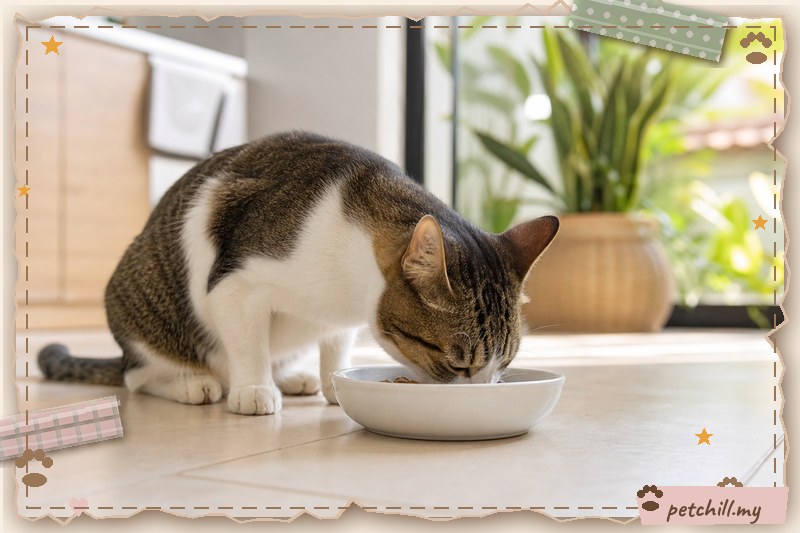
Reading labels like a pro
Labels can be confusing. Here is what to look for:
- Named proteins: chicken, turkey, duck, venison, rabbit, salmon, insect protein. Avoid unnamed meat or poultry.
- Hydrolysed claim: look for words like hydrolysed or low molecular weight. Ask the manufacturer how the protein is processed.
- Complete and balanced statement: this should mention AAFCO or FEDIAF and the life stage.
- Guaranteed analysis: check protein, fat, fibre and moisture. This helps compare products but does not tell you about allergenicity.
- Feeding instructions: follow them and adjust for your cat's weight and body condition.
Be sceptical of claims like gentle, sensitive or natural. These are not regulated terms and do not guarantee the diet is suitable for an allergic cat.
Common mistakes Malaysian cat owners make
- Switching foods too fast. A sudden change can cause digestive upset. Transition gradually over 7 to 10 days unless your vet advises otherwise.
- Judging too early. Skin signs can take weeks to improve. Do not give up after five days.
- Allowing treats. A single treat with chicken can restart the reaction.
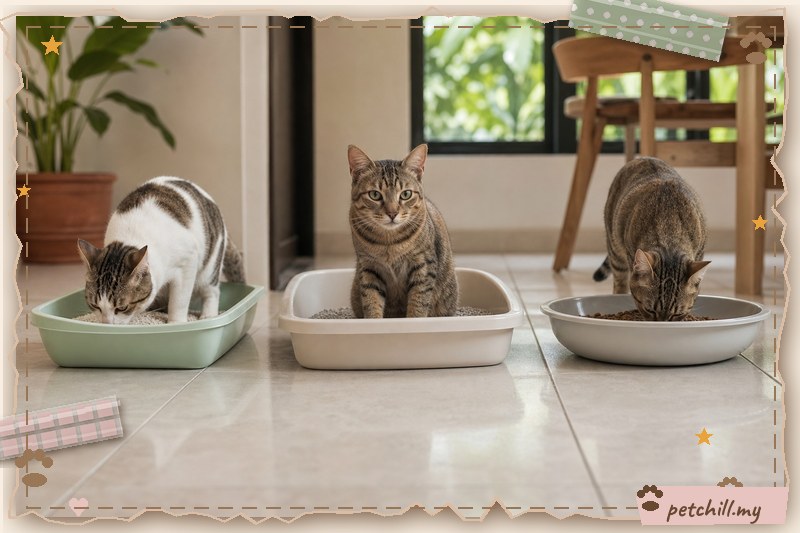
- Feeding multiple cats together. Your cat may eat the other cat's food. Feed separately or put all cats on the trial diet.
- Assuming grain-free is enough. Most food allergies in cats are to animal proteins, not grains.
- Buying the cheapest option. A cheap diet may not be complete or may contain cross-contaminated proteins. Ask your vet for guidance within your budget.
- Ignoring parasites and skin infections. These can look like allergies and must be treated.
Practical Malaysian contexts
Kuala Lumpur apartment: In a high-rise, space is limited and cats may share bowls. During a food trial, feed cats in separate rooms or use timed feeding. Store the trial diet in an airtight container away from other food to avoid cross-contamination. Humidity can make dry food stale faster, so keep it sealed and use it within the recommended period after opening.
Penang rainy season: Wet weather can increase indoor humidity and skin irritation. If your cat is itchy, do not assume it is only the food. Keep bedding dry, check for fleas, and follow your vet's plan. A food trial during a rainy spell still works, but you need to control other triggers too.
Johor terrace house: If your cat goes outdoors or shares space with other pets, it may eat food left out for others. During a trial, keep your cat indoors or supervised, and ask neighbours not to feed it. This is especially important in areas with many free-roaming cats.
How to run a proper elimination trial
An elimination trial is the only reliable way to diagnose food allergy. Here is a simple plan:
- Prepare the environment. Remove all other foods, treats and flavoured medications. Ask everyone in the household to follow the plan.
- Transition gradually. Mix the new diet with the old one over 7 to 10 days, unless your vet says otherwise.
- Feed only the trial diet. No exceptions. If your cat refuses, contact your vet before adding anything.
- Keep a diary. Record itching, stool, vomiting, appetite and weight weekly. Take photos.
- Review at 4 weeks. Your vet may check progress and adjust the plan.
- Judge at 8 to 12 weeks. If signs improve, your vet may suggest a re-challenge with the old food to confirm the allergy. Do not do this without veterinary guidance.
- Plan long-term. If the allergy is confirmed, you will need to keep your cat on a safe diet and avoid triggers for life.
When to see a vet
See a vet promptly if your cat has any of the following:
- Persistent itching, scratching, head shaking or hair loss
- Recurrent ear infections or skin infections
- Vomiting, diarrhoea, weight loss or blood in stool
- Difficulty breathing, facial swelling or sudden collapse (emergency)
- Refusal to eat for more than 24 hours
- Signs that do not improve after several weeks on a trial diet
Do not attempt to diagnose or treat food allergy at home. Your vet can rule out other conditions and guide you to the right diet.
Cost and where to buy in Malaysia
Prices for hypoallergenic cat food vary widely depending on brand, protein source, pack size and whether it is a prescription diet. Veterinary clinics, pet specialty stores and online retailers may stock different options. Availability can change, so check with your vet or a trusted retailer. Do not convert prices from other countries; ask locally for a quote and compare cost per day rather than cost per bag.
Final checklist before you buy
- Vet has ruled out other causes
- You have a list of all proteins your cat has eaten
- The diet avoids those proteins or is hydrolysed
- The label states complete and balanced for your cat's life stage
- You can commit to 8 to 12 weeks of strict feeding
- All family members understand the rules
- You have a plan for treats and medication
- You have a diary or app to track progress
Bottom line
Choosing hypoallergenic cat food is not about finding the most expensive bag. It is about matching the diet to your cat's history, confirming the choice with your vet, and running a strict trial long enough to get a clear answer. In Malaysia's climate and multi-cat households, planning and consistency matter as much as the food itself.
This article is for general information only and is not a substitute for veterinary advice. Always consult a licensed veterinarian for diagnosis and treatment of your cat.
Related reading
- Cat Food Guide Malaysia 2026: How to Choose Dry, Wet & Prescription Food
- Best Food for Picky Cats in Malaysia: A Practical Feeding Guide
- Best Hypoallergenic Cat Food in Malaysia: A Practical Guide for Itchy, Scratching Cats
- Best Urinary Care Cat Food in Malaysia: How to Choose (2025 Guide)
- Food for Picky Cats: A Feeding Guide for Malaysian Cat Owners
- Food for Picky Cats in Malaysia: A Practical Feeding Guide
- Hairball Control Food Feeding Guide for Cats: A Practical Malaysian Owner's Handbook
- Hairball Control Food for Cats in Malaysia: What It Does and When It Helps
- How to Choose Food for Picky Cats: A Malaysian Guide
- How to Choose Hairball Control Food for Cats: A Practical Guide for Malaysian Owners
- How to Choose Homemade Cat Food for Cats: A Malaysian Guide

