
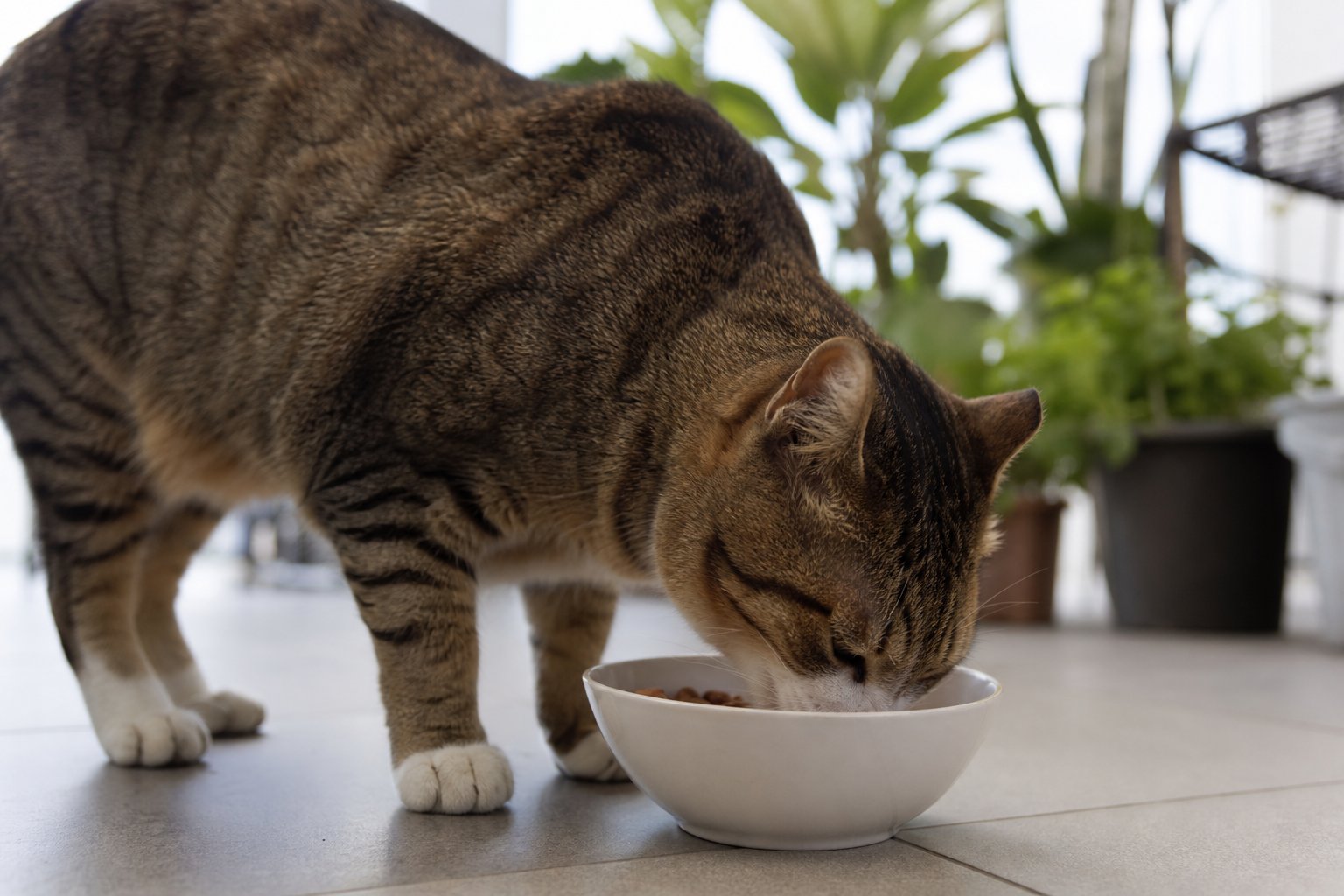
Start with the cat, not the bag
Senior cat food is one of the most confusing aisles in any pet shop. Every brand seems to promise vitality, joint support and a shinier coat, and the age ranges printed on the front rarely match each other. The useful rule is simple: choose food for the cat in front of you, not for the number on the calendar.
Age tells you what to check. Body condition, bloodwork, teeth, appetite and water intake tell you what to feed. A lean, active 12-year-old with normal kidneys has different needs from an overweight 9-year-old with early kidney changes, even though both are "senior".
This guide walks through what actually changes in ageing cats, how to read a label without being fooled by marketing, how wet and dry compare, and how to transition safely. It is written for Malaysian households, where many cats live indoors in apartments, eat a mostly dry diet, and share space with several other cats.
What actually changes as a cat ages
Ageing in cats is gradual, and the visible signs often appear after the underlying change has been developing for a while. The main shifts that affect food choice are:
- Muscle loss. Older cats tend to lose lean body mass, a process sometimes called sarcopenia. They may need highly digestible protein rather than less protein.
- Reduced digestion. Fat and protein digestibility can decline, so a diet with quality ingredients and appropriate fat levels matters more than raw percentages alone.
- Kidney changes. Kidney function commonly declines with age. Phosphorus and protein levels become important once disease is diagnosed.
- Dental disease. Painful teeth and gums make hard kibble difficult. A cat may drop food, chew on one side or eat less overall.
- Lower activity. Indoor senior cats burn fewer calories, so portion control becomes important.
- Sense changes. Smell and taste can dull, which is why warm, moist, strongly scented food often tempts a fussy older cat.
- Thyroid and other conditions. Weight loss despite a good appetite is a classic sign of an overactive thyroid and needs veterinary investigation, not a food swap.
Notice that most of these are medical questions. That is why the first step in choosing senior food is not shopping, it is a check-up.
Step 1: Get a baseline vet check
Before you change diets, ask your vet for a general health check with bloodwork and a urine test if possible. This gives you a baseline for kidney values, thyroid hormone, blood sugar and red cell counts, plus a dental assessment.
Why does this matter for food? Because the same symptom can point to opposite diets:
- A cat losing weight from kidney disease may need controlled phosphorus and a specific renal diet.
- A cat losing weight from hyperthyroidism needs treatment, and its calorie needs may be very high until the thyroid is controlled.
- A cat losing weight from dental pain may simply need softer food and dental treatment.
- A cat gaining weight from reduced activity needs smaller portions and more play, not a "light" senior formula chosen blindly.
Ask your vet two questions: is there any diagnosed condition that changes the diet, and what body condition score should I aim for? Write both down. They become your filter for every product you compare.
Step 2: Read the label like an editor, not a shopper
Pet food labels are regulated differently from human food labels, and marketing language on the front is not a nutritional claim. Focus on the back.
Look for a named animal protein first. "Chicken", "chicken meal" or "salmon" tells you the source. "Meat and animal derivatives" or "poultry by-products" is vaguer. Named sources are easier to evaluate and easier to avoid if your cat has a sensitivity.
Check the guaranteed analysis. You want protein, fat, fibre, moisture and phosphorus as a minimum. For senior cats, phosphorus is the number most often missing from the panel, and it is the one that matters if kidney disease is a concern.
Compare on a dry matter basis. Canned food looks low in protein only because it is mostly water. To compare fairly, convert to dry matter:
Dry matter % = (nutrient % ÷ (100 − moisture %)) × 100
A wet food with 10% protein and 78% moisture is about 45% protein on a dry matter basis. That is a very different picture from the label's headline number.
Check the life stage statement. "Complete and balanced" for adult maintenance is the legal minimum. "Senior" is a marketing term in many markets, not a regulated nutrient profile, so the word alone guarantees nothing.
Look for a nutritional adequacy statement. It should say the food is complete and balanced for a stated life stage, ideally according to a recognised nutrient standard. If the statement is missing or vague, treat the product with caution.
Quick label checklist
| What to check | Good sign | Warning sign |
|---|---|---|
| First ingredient | Named animal protein | Unnamed "meat derivatives" |
| Phosphorus | Stated on pack or website | Not disclosed anywhere |
| Life stage | Clear complete-and-balanced claim | "Senior" with no nutrient statement |
| Moisture | Higher for wet formats | Very dry kibble only, cat drinks little |
| Calorie info | kcal per 100 g or per can | No feeding guidance at all |
| Ingredient splitting | One clear protein source | Same protein split into several minor ingredients |
Ingredient splitting is worth knowing about. A label can list chicken, then chicken meal, then chicken fat separately so that no single grain or filler appears first. Read the whole list, not just the first line.
Step 3: Decide protein and phosphorus targets
These two numbers drive most senior food decisions.
Protein. Healthy older cats generally do well on moderate to high protein from highly digestible sources. Unless your vet has diagnosed kidney disease or another condition requiring restriction, there is usually no reason to choose a low-protein food just because your cat is old. Muscle maintenance depends on protein intake and quality.
Phosphorus. This is the nutrient to discuss with your vet. If kidney disease is present, phosphorus restriction is a core part of management, and therapeutic renal diets are formulated for it. If kidneys are normal, you do not need to chase the lowest possible phosphorus, but knowing the level helps you monitor over time.
Fat. Fat provides energy and palatability. Very low-fat senior diets can make it hard for a thin older cat to maintain weight. Very high-fat diets suit some active cats but can promote weight gain in sedentary ones.
Fibre. Moderate fibre can help hairballs and stool quality. Very high fibre may reduce calorie intake, which is useful for weight loss but unhelpful for a cat that is already thin.
A practical approach: ask your vet for a target range for protein and phosphorus based on your cat's bloodwork, then compare products against that range rather than against brand claims.
Step 4: Wet food, dry food, or both?
Cats evolved to get much of their water from prey. Many indoor cats on dry diets drink less than ideal, and senior cats are especially prone to dehydration because thirst drive can dull with age.
| Factor | Wet food | Dry food |
|---|---|---|
| Water content | High, supports hydration | Low, cat must drink |
| Dental pain | Easier to eat | May be difficult |
| Cost per calorie | Usually higher | Usually lower |
| Convenience | Needs refrigeration once opened | Easy to leave out briefly |
| Weight control | Easier portion control per can | Easy to overfeed if free-fed |
| Picky eaters | Strong aroma helps | Some cats prefer crunch |
| Storage in humid climate | Must be refrigerated and used quickly | Keep sealed and dry |
For many senior cats, a mixed feeding plan works well: measured wet meals for hydration and palatability, with a small measured portion of dry food for texture or between meals. If your cat has dental pain, wet or softened food is usually kinder.
In Malaysian homes, humidity matters. Once a can is opened, refrigerate leftovers and use them within a day or two, and never leave wet food sitting out in a warm kitchen for hours. Dry food should be stored sealed in a cool, dry place rather than in a hot utility area.
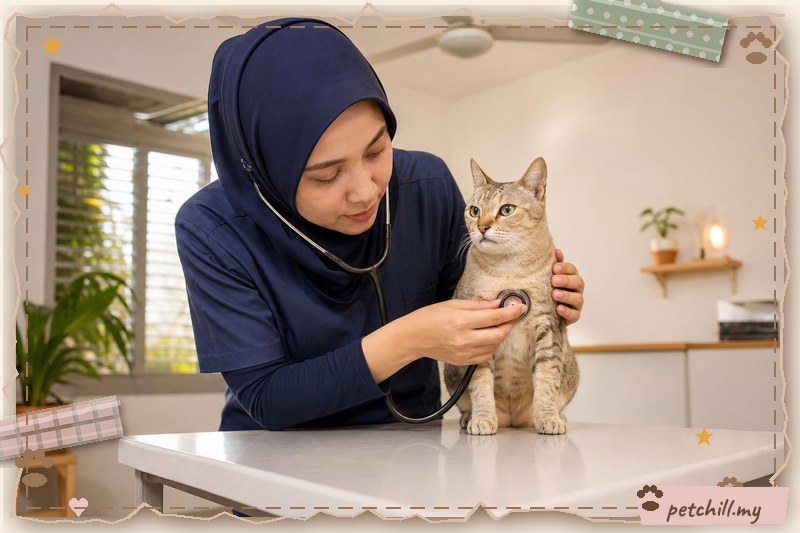
Step 5: Match the format to your household
Feeding a senior cat is not only about nutrients. It is also about routine, and older cats are often deeply attached to theirs.
Multi-cat homes. If you have several cats, a senior may be pushed away from the bowl by younger, faster cats. Feed the senior separately, or use a microchip feeder if resources allow. Watch for weight loss that only happens in group feeding situations.
Apartment living. In a Kuala Lumpur apartment, a senior indoor cat may get very little incidental exercise. Measured meals and daily interactive play matter more than in a house with stairs and a garden.
Terrace houses and outdoor access. In a Johor terrace house, a senior cat that still goes outside may pick up food elsewhere or hunt. Keep portions realistic and monitor weight monthly, because you cannot control what it eats outdoors.
Rainy season and appetite. During Penang's rainy season, some cats become less active and drink less. Check that water bowls are refreshed daily and consider adding a little warm water to wet food to lift aroma and increase intake.
Heat and food safety. In a warm climate, wet food spoils quickly. Serve small portions, remove uneaten food after about 20 to 30 minutes, and refrigerate the rest immediately.
Step 6: Portion control and body condition
Weigh your cat monthly on a kitchen scale, or use a baby scale, and record it. Weight trend is one of the most useful pieces of information you can bring to a vet visit.
Use the feeding guide on the pack as a starting point, then adjust. Feeding guides are based on average activity, and an indoor senior cat is often below average. Divide the daily amount into at least two meals so you can observe appetite.
Body condition scoring is simple to learn: you should be able to feel the ribs easily under a thin fat layer, see a waist from above, and see a slight tummy tuck from the side. Ask your vet to show you once, then check every few weeks.
Red flags on the scale:
- Losing weight despite eating well
- Gaining weight on a stable portion
- Sudden change in food preference
- Eating less for more than two days
Any of these deserves a vet call rather than a food change.
Step 7: Transition slowly and keep notes
Older cats are often less adaptable than young ones. A sudden switch can cause refusal, vomiting or diarrhoea.
A typical transition schedule:
- Days 1 to 3: 75% old food, 25% new food
- Days 4 to 6: 50% old, 50% new
- Days 7 to 9: 25% old, 75% new
- Day 10 onward: 100% new, if stools and appetite are normal
Go slower if your cat is fussy or has a sensitive stomach. Warm wet food slightly to boost aroma, and avoid mixing in treats that unbalance the diet.
Keep a simple log: food, amount, time, appetite, stool quality and any vomiting. Two weeks of notes is far more useful to a vet than a vague memory.
Common mistakes to avoid
- Buying "senior" food for a healthy 8-year-old without a check-up. Age alone is not a diagnosis.
- Restricting protein too early. Muscle loss is a real risk in older cats.
- Free-feeding dry food. It hides appetite changes and encourages weight gain.
- Ignoring water intake. Low drinking plus dry food is a recipe for urinary and kidney strain.
- Adding supplements on top of a complete diet. Extra phosphorus or calcium can be harmful in kidney disease.
- Switching foods to fix a symptom. Weight loss, vomiting or increased thirst need veterinary investigation first.
- Trusting the front of the bag. The nutrient panel and your vet's advice matter more than the marketing.
When to see a vet
Contact a veterinarian promptly if your senior cat shows any of the following:
- Weight loss despite a normal or increased appetite
- Noticeable increase in drinking or urination
- Vomiting or diarrhoea lasting more than a day
- Refusing food for more than 24 hours, or any refusal in a cat that is thin
- Dropping food, chewing on one side, bad breath or drooling
- Weakness, hiding, or reluctance to jump
- Sudden change in coat quality or grooming
- Any new lump, or a wound that does not heal
These signs are not solved by choosing a different bag of food. They are reasons to get a diagnosis, and the diagnosis is what should guide the diet.
Frequently asked questions
At what age is a cat considered senior? Most cats are classed as mature from about 7 years, senior from 11 and geriatric from 15. Small body changes often start around 7, so a vet check and baseline bloodwork then is sensible even if your cat looks fine.
Does my senior cat need less protein? Usually no. Older cats often digest protein less efficiently and lose muscle, so most benefit from highly digestible animal protein. Restriction is mainly for diagnosed kidney disease, and that decision should come from your vet, not a label.
Is wet food better for senior cats? Wet food adds water, which helps cats that drink little and supports urinary and kidney health. It is also easier for cats with dental pain. Dry food still works if your cat prefers it, so mix formats based on your cat's needs.
How do I switch my senior cat to a new food? Transition over 7 to 10 days, mixing increasing amounts of the new food into the old. Older cats are routine-driven, so go slower if needed. Stop and call your vet if you see vomiting, diarrhoea or refusal to eat for more than a day.
Should I free-feed my senior cat? Usually not. Ageing cats move less and can gain weight, while others lose weight from illness. Measured meals twice daily let you track appetite and body condition, which are early warning signs your vet will ask about.
Do senior cats need supplements? Only if a vet identifies a specific gap. A complete and balanced senior diet already covers requirements. Extra calcium, phosphorus or vitamin D can be harmful in kidney disease, so never add supplements without veterinary advice.
The short version
Choosing senior cat food comes down to four moves: get a vet check with bloodwork, read the nutrient panel rather than the marketing, match protein and phosphorus to your cat's actual health status, and transition slowly while tracking weight and appetite. Age is the prompt to start paying attention, not the answer to what to feed.
This article is general information for Malaysian cat owners and is not a substitute for veterinary advice. Always consult a licensed veterinarian about your cat's diet, especially if it has a diagnosed condition.
Related reading
- Cat Food Guide Malaysia 2026: How to Choose Dry, Wet & Prescription Food
- Best Senior Cat Food in Malaysia: A Practical Buying Guide
- Cat Food Recommendation Malaysia: 8 Scenarios, Label Checks and Daily-Cost Thinking
- Dry Cat Food for Cats in Malaysia: A Practical Feeding Guide
- Food Transition Feeding Guide for Cats: How to Switch Diets Safely
- How to Choose Hairball Control Food for Cats: A Practical Guide for Malaysian Owners
- How to Choose Kitten Food for Cats: A Practical Malaysian Guide
- How to Choose Wet Cat Food for Cats in Malaysia: A Practical Guide
- Senior Cat Food in Malaysia: A Practical Feeding Guide for Older Cats
- Wet Cat Food for Cats in Malaysia: A Practical Feeding Guide
- Best Dry Cat Food for Cats in Malaysia: A Practical Buying Guide

