
What is halal cat food?
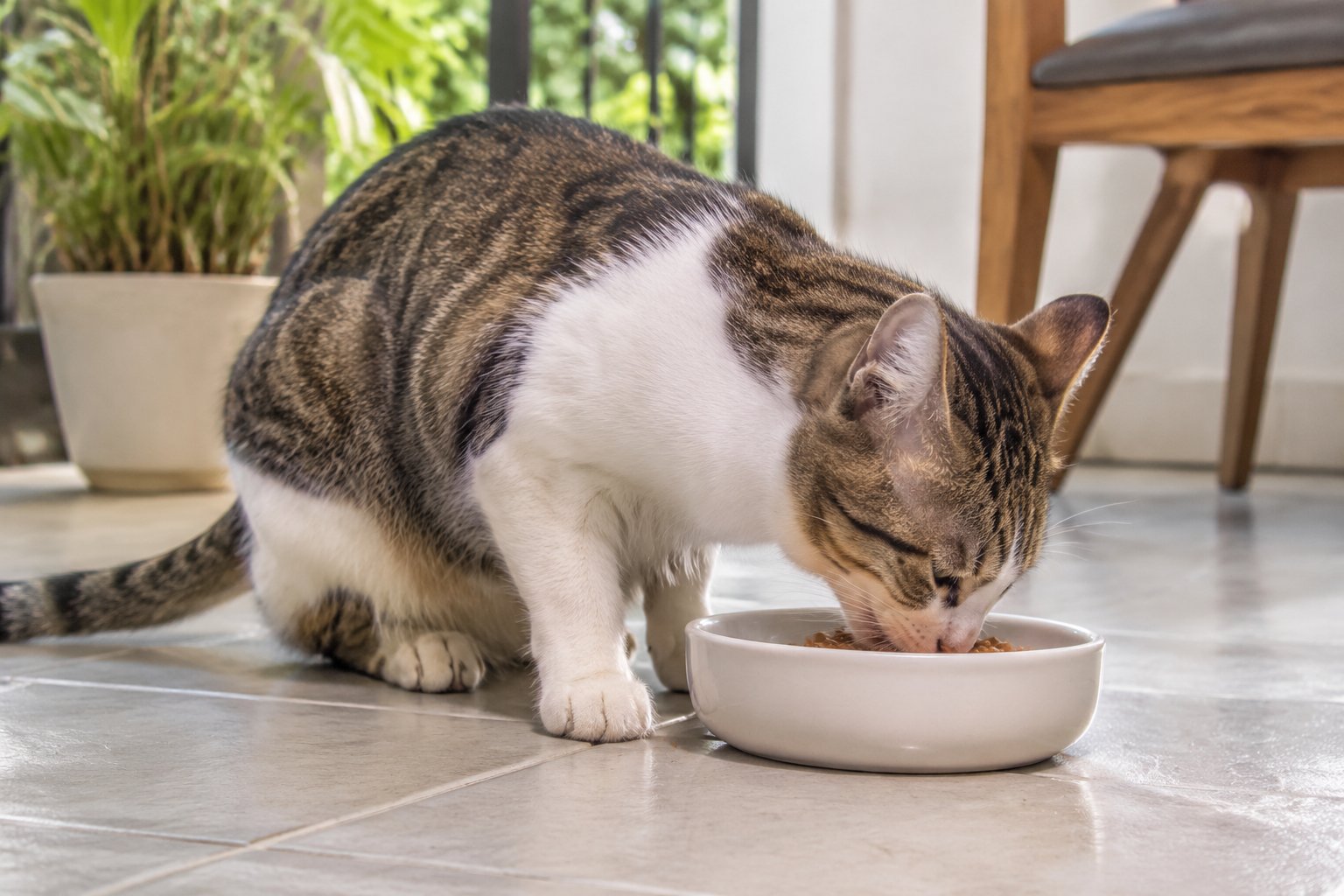
Halal cat food is cat food that meets Islamic dietary requirements. That means it contains no haram (forbidden) ingredients — most commonly pork, pork derivatives, and alcohol — and is produced, processed, and stored in a way that avoids contamination with haram substances. In Malaysia, halal certification is issued by JAKIM (Department of Islamic Development Malaysia) or recognised foreign halal authorities. A halal logo on a cat food label tells you the product has been checked against these standards.
But here is the key point: your cat does not need halal food to be healthy. Cats are not religious, and their nutritional needs are the same whether the food is halal certified or not. Halal cat food is about the owner's peace of mind and religious practice, not about feline biology. Many Muslim pet owners in Malaysia prefer halal cat food because they want to avoid feeding anything that contains pork or alcohol, and because they want their pet's food to be ethically and religiously consistent with their beliefs.
Why halal cat food matters to Malaysian cat owners
Malaysia is a Muslim-majority country, and halal awareness is high. For many Muslim cat owners, the question of halal cat food is not about whether the cat understands halal, but about whether the owner is comfortable with what goes into the cat's bowl. Common concerns include:
- Pork and pork derivatives — some cat foods contain pork or pork by-products, which are haram.
- Alcohol — some pet foods use alcohol as a solvent or preservative, or it may appear as a carrier for flavours.
- Cross-contamination — even if a food does not list haram ingredients, it may be produced on equipment shared with pork products.
- Vague labelling — terms like "meat derivatives" or "animal by-products" do not specify the source, leaving owners uncertain.
Halal certification addresses these concerns by requiring traceability and segregation of halal and non-halal ingredients throughout the supply chain. For owners who want that assurance, a halal logo is a quick visual check.
What halal certification covers
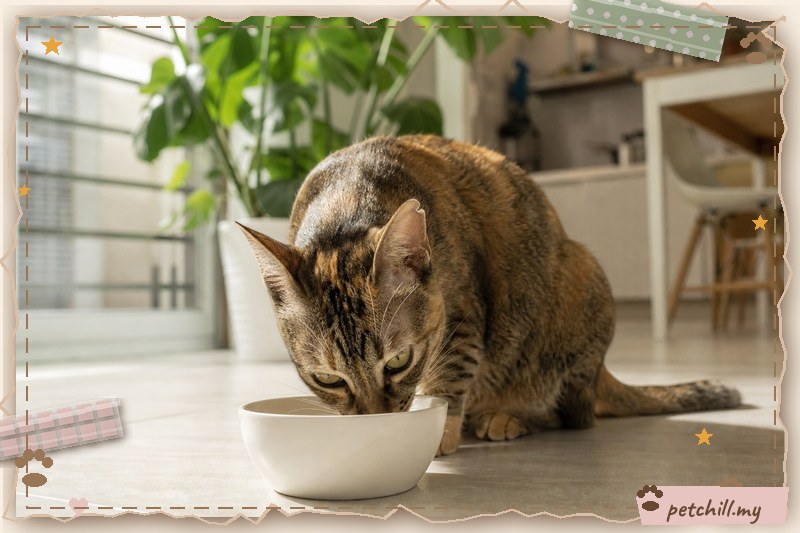
Halal certification for pet food is not identical to halal certification for human food, but the core principles are similar. A certified halal cat food typically meets these criteria:
- No haram ingredients — no pork, no alcohol, no ingredients derived from haram animals.
- No cross-contamination — production lines and equipment are cleaned or segregated to avoid contact with haram substances.
- Halal slaughter — if the food contains meat from animals that require slaughter (e.g., chicken, beef), the animal must be slaughtered according to Islamic rules. This is a key point for many owners.
- Documentation and audit — the manufacturer must keep records and be open to inspection by the certifying body.
In Malaysia, JAKIM's halal certification is the most recognised. Some imported products carry halal logos from other countries; these are generally accepted if the certifying body is recognised by JAKIM. However, not all halal logos are equal, and some may be self-declared. Always check the certifying authority.
How to read a cat food label for halal compliance
Reading labels is your first line of defence. Here is a practical checklist:
- Look for a halal logo — JAKIM's logo is a common one in Malaysia. Check the certification number if available.
- Scan the ingredient list — avoid pork, lard, bacon, ham, pork liver, pork fat, and any ingredient with "pork" in the name.
- Check for alcohol — ethanol, alcohol, or "ethyl alcohol" may appear as a preservative or solvent. Some flavourings may also contain alcohol.
- Be wary of vague terms — "meat and animal derivatives" or "by-products" do not tell you the source. If the label does not specify the animal, contact the manufacturer.
- Look for a statement — some brands state "no pork, no alcohol" or "halal certified" on the packaging. This is helpful but not a substitute for a logo.
- Check the manufacturer's website — many brands list their halal certification status and certificate numbers online.
If you are unsure, contact the manufacturer or importer directly. A reputable company should be able to provide a copy of their halal certificate.
Halal cat food vs non-halal cat food: what's the difference?
| Feature | Halal cat food | Non-halal cat food |
|---|---|---|
| Ingredients | No pork, no alcohol, halal-slaughtered meat | May contain pork, alcohol, or non-halal meat |
| Certification | Certified by JAKIM or recognised body | No halal certification |
| Cross-contamination | Segregated production | May share lines with haram ingredients |
| Label transparency | Usually clearer sourcing | May use vague terms |
| Price | Varies; sometimes higher | Varies |
| Nutritional value | Same as non-halal equivalents | Same as halal equivalents |
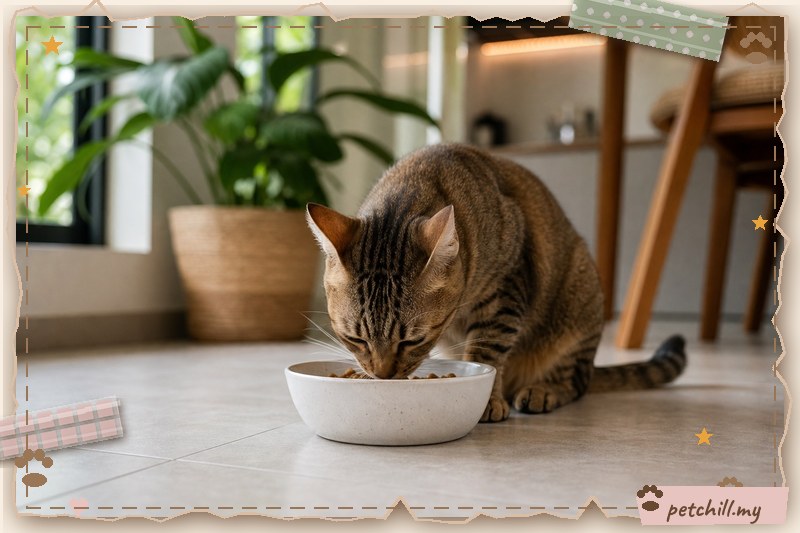
Nutritionally, there is no difference. A halal-certified chicken cat food and a non-halal chicken cat food can have identical nutritional profiles. The difference is in sourcing, processing, and certification.
Common ingredients to watch out for
When checking for halal compliance, these ingredients are red flags:
- Pork and pork derivatives — pork meat, pork liver, pork fat, lard, bacon, ham.
- Alcohol — ethanol, ethyl alcohol, alcohol (as preservative or solvent).
- Non-halal meat — chicken or beef that is not halal-slaughtered. This is harder to detect without certification.
- Gelatin — often pork-derived, though halal gelatin exists. Check the source.
- Emulsifiers and flavourings — some may be alcohol-based or contain haram carriers.
Some ingredients are ambiguous. For example, "animal fat" could be poultry fat or pork fat. Without certification, you cannot be sure. That is why a halal logo is valuable: it removes the guesswork.
Practical tips for Malaysian cat owners
Feeding halal cat food in Malaysia is straightforward if you follow these steps:
- Decide on your priority — if halal certification is important to you, make it a non-negotiable criterion. If not, focus on nutritional adequacy.
- Check the logo — look for JAKIM's halal logo or a recognised foreign halal logo. Verify the certificate if you can.
- Read the ingredient list — even with a logo, it is good practice to know what is in the food.
- Ask your vet — your veterinarian can advise on nutritional adequacy, especially if your cat has health issues. They may not be halal experts, but they can help you compare nutritional profiles.
- Transition gradually — when switching to a new halal food, mix it with the old food over 7–10 days to avoid digestive upset.
- Monitor your cat — watch for changes in appetite, stool, and energy levels. Any sudden change warrants a vet visit.
- Buy from reputable sources — purchase from established pet shops or clinics to avoid counterfeit products.
Local examples
- In a Kuala Lumpur apartment, a Muslim cat owner might choose a halal-certified chicken-based dry food for convenience and peace of mind, while supplementing with halal wet food for hydration.
- In a Johor terrace house with a multi-cat household, the owner might buy halal-certified dry food in bulk and check the certificate number on JAKIM's website before committing to a large bag.
Does halal cat food cost more?
Prices vary widely depending on brand, format (dry vs wet), and where you shop. Halal certification does add a cost to manufacturers, but this does not always mean a higher shelf price. Some brands absorb the cost, while others pass it on. In Malaysia, you will find halal cat food across a range of price points, from budget to premium. The best approach is to compare products based on nutritional adequacy and halal status, then choose what fits your budget. Ask your local pet shop or vet for recommendations — they know the local market.
Common myths about halal cat food
- Myth: Cats must eat halal food. Cats are not subject to religious law. Halal cat food is for the owner's peace of mind.
- Myth: Halal cat food is less nutritious. Halal certification is about ingredients and processing, not nutritional quality. A halal food can be just as complete and balanced as a non-halal one.
- Myth: All cat food in Malaysia is halal. Not true. Some imported brands contain pork or alcohol, and not all local brands are certified.
- Myth: A halal logo guarantees quality. The logo confirms halal compliance, not nutritional adequacy. Always check the nutritional profile.
When to see a vet
While choosing halal cat food is a personal and religious decision, your cat's health should always come first. Consult a veterinarian if:
- Your cat has a medical condition (e.g., kidney disease, diabetes, allergies) that requires a specific diet.
- You are unsure whether a food is complete and balanced.
- Your cat shows signs of digestive upset (vomiting, diarrhoea, loss of appetite) after a diet change.
- You need advice on transitioning to a new food.
- Your cat is pregnant, nursing, or a growing kitten with special nutritional needs.
A vet can help you balance halal requirements with nutritional needs. They may not be halal experts, but they can guide you on nutritional adequacy and suggest suitable options.
Conclusion
Halal cat food for cats in Malaysia is a choice that reflects both religious practice and pet care. It is not necessary for your cat's health, but it can provide peace of mind for owners who want to avoid haram ingredients. By understanding what halal certification covers, reading labels carefully, and consulting your vet when needed, you can make an informed decision that suits both your beliefs and your cat's needs. Remember that any diet change should be gradual, and your cat's health should always be the priority.
Disclaimer: This article is for general information only and is not a substitute for professional veterinary advice. Always consult a licensed veterinarian for your cat's specific health and dietary needs.
Related reading
- Cat Food Guide Malaysia 2026: How to Choose Dry, Wet & Prescription Food
- Best Halal Cat Food in Malaysia: A Practical Buying Guide
- How to Choose Halal Cat Food for Cats in Malaysia
- Halal Cat Food Feeding Guide for Cats: What Malaysian Owners Need to Know
- ACANA Cat Food in Malaysia: Is This Canadian High-Protein Kibble Right for Your Cat?
- Best High-Protein Cat Food in Malaysia: How to Choose (2025 Guide)
- Best Kitten Food for Cats in Malaysia: A Complete Buying Guide
- Best Weight Control Cat Food in Malaysia: A Practical Buying Guide
- Cat Weight Loss Diet in Malaysia: Safe Calories, Portions and Weekly Monitoring
- Homemade Cat Food Feeding Guide for Cats: A Practical Malaysian Owner's Handbook
- Homemade Cat Food for Cats in Malaysia: A Practical, Vet-Informed Guide

