
Quick Answer
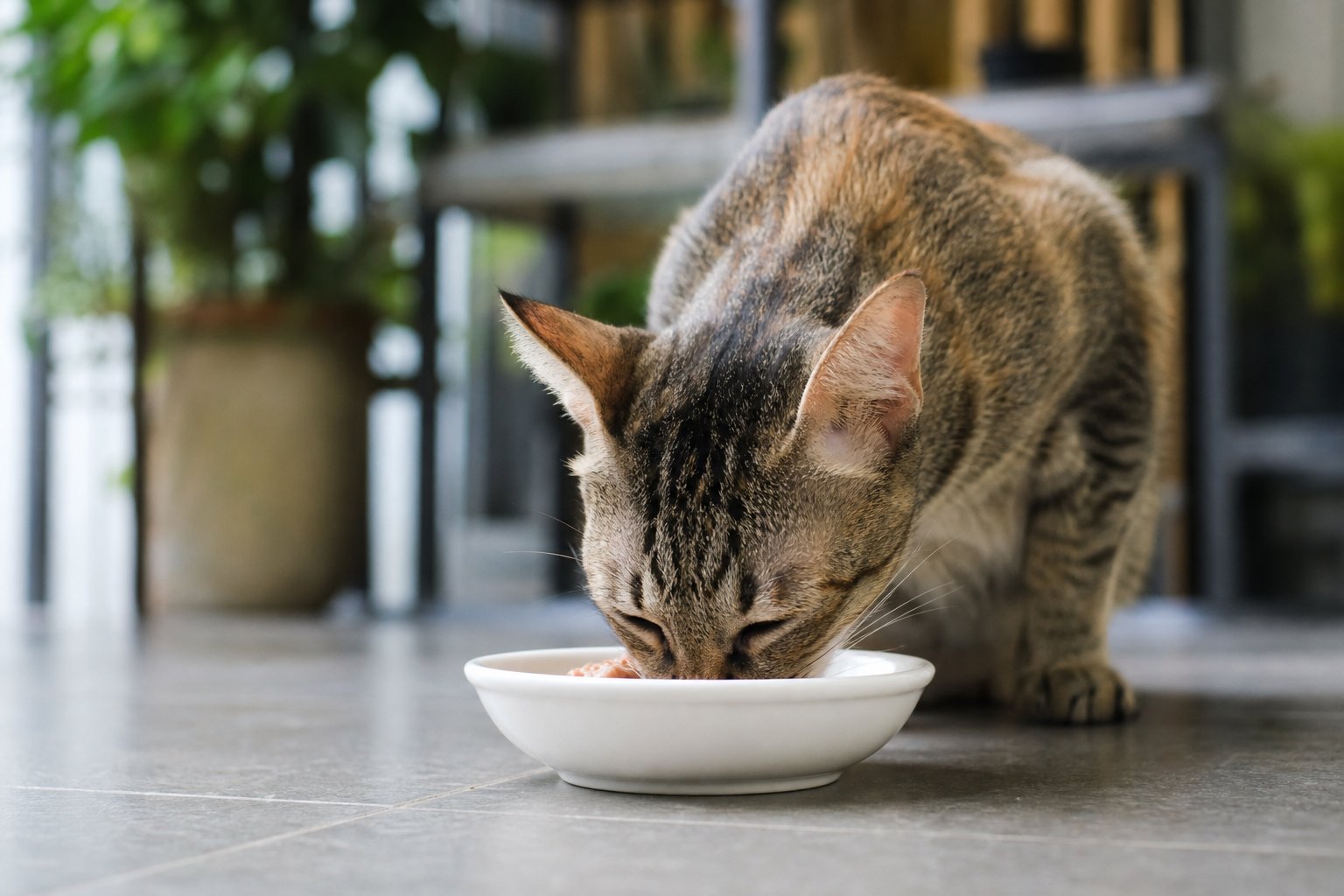
Choose wet cat food that is complete and balanced for your cat's life stage, lists a named meat as the first ingredient, and suits your cat's texture preference. Check for AAFCO or FEDIAF compliance, avoid unnecessary fillers, and transition slowly. Always provide fresh water and consult your vet for specific health needs.
Why Wet Food Deserves a Place in Your Cat's Bowl
Cats are descended from desert-dwelling ancestors, which means they have a naturally low thirst drive. In the wild, they would get most of their water from prey. Domestic cats fed only dry food may not drink enough to compensate, potentially leading to urinary tract issues and kidney strain. Wet food typically contains 70–80% moisture, helping to keep your cat hydrated without relying solely on the water bowl.
Beyond hydration, wet food is often more palatable. The strong aroma and soft texture appeal to many cats, especially picky eaters or seniors with dental problems. It's also easier to manage portion sizes for weight control, as the high water content makes the food less calorie-dense than dry kibble.
However, wet food isn't automatically better. Quality varies widely, and some products are high in carbohydrates, use low-quality proteins, or lack essential nutrients. That's why learning to read labels and understand your cat's needs is crucial.
Decoding the Label: What to Look For
The first step in choosing wet cat food is understanding the label. Ingredients are listed in descending order by weight, so the first few ingredients matter most.
Named animal proteins first. Look for specific meats like "chicken," "beef," "salmon," or "tuna" rather than generic terms like "meat" or "poultry." Named proteins indicate a more consistent and higher-quality source. For example, "chicken breast" is preferable to "meat by-products."
Complete and balanced statement. A product that meets the nutritional standards of the Association of American Feed Control Officials (AAFCO) or the European Pet Food Industry Federation (FEDIAF) will state something like "Formulated to meet the nutritional levels established by the AAFCO Cat Food Nutrient Profiles for [life stage]." This ensures the food provides all essential nutrients in the correct proportions. Avoid foods labeled "complementary" or "for intermittent feeding only" as a sole diet.
Life stage appropriateness. Kittens, adults, and seniors have different nutritional needs. Kitten food is higher in protein, calories, and certain nutrients like calcium and phosphorus for growth. Senior formulas may have adjusted protein and phosphorus levels for kidney health. Choose a food that matches your cat's life stage, or one labeled for "all life stages."
Guaranteed analysis. This panel lists minimum percentages of protein and fat, and maximum percentages of fiber and moisture. While not a complete picture, it gives a rough idea. For wet food, protein is often around 8–12% as-fed, but when converted to dry matter basis (removing water), it should be 30–50% or more.
Avoid unnecessary fillers. Ingredients like corn, wheat, soy, and artificial colours or preservatives are often used as cheap fillers. While some grains can be part of a balanced diet, they should not dominate. Look for foods where animal proteins are the primary ingredients.
By-products: not always bad. By-products (e.g., liver, heart) are organ meats that can be nutritious and are part of a natural diet. However, quality can vary. If by-products are used, they should be from named animals (e.g., "chicken by-products") and not the main ingredient.
Texture and Form: Pâté, Shreds, Mince, and More
Wet cat food comes in various textures, and cats can have strong preferences. Understanding the differences can help you choose.
| Texture | Description | Best For | Considerations |
|---|---|---|---|
| Pâté | Smooth, ground paste | Cats who like soft food; seniors with dental issues | Can be mixed with water for extra hydration |
| Shreds | Pieces of meat in gravy or jelly | Cats who enjoy chewing; picky eaters | Gravy may add calories; check carbohydrate content |
| Mince | Ground meat, looser than pâté | Cats who prefer chunkier texture | Similar to pâté but less processed |
| Chunks in Gravy | Larger pieces in sauce | Cats who like variety | Often higher in carbs due to gravy thickeners |
| Mousse | Airy, whipped texture | Kittens, seniors, cats with sensitive mouths | Very soft; easy to lick |
Texture can also affect how much your cat eats. Some cats gulp down pâté but nibble at shreds. Experiment to find what your cat enjoys, but always transition slowly to avoid digestive upset.
Life Stage Nutrition: Kittens, Adults, and Seniors
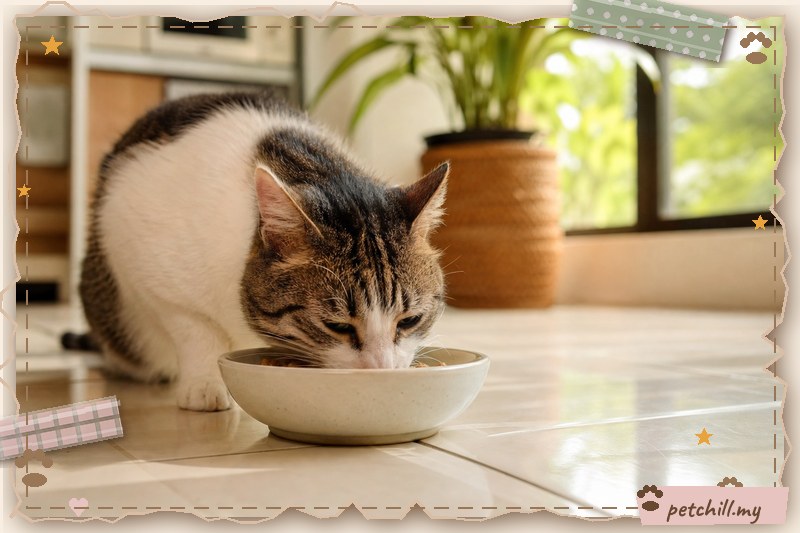
Kittens have high energy and nutrient demands. They need wet food formulated for growth, which is richer in protein, calories, and essential fatty acids like DHA for brain development. Feed small meals frequently—up to four times a day—and choose a food labeled for kittens or all life stages.
Adult cats (1–7 years) need a balanced diet to maintain ideal body weight and muscle mass. Look for foods with high-quality protein and moderate fat. Avoid overfeeding; obesity is a common problem. Use feeding guidelines as a starting point and adjust based on body condition score.
Senior cats (7+ years) may have reduced kidney function, dental issues, or decreased appetite. Senior formulas often have adjusted protein and phosphorus levels. However, some seniors do well on adult food if they are healthy. Consult your vet for specific recommendations, especially if your cat has chronic conditions.
Special Dietary Needs: Allergies, Sensitivities, and Health Conditions
Some cats have food allergies or intolerances, often manifesting as itchy skin, digestive upset, or ear infections. Common allergens include beef, dairy, and fish. If you suspect an allergy, your vet may recommend a hypoallergenic or limited-ingredient diet. These foods use novel proteins (e.g., venison, duck) or hydrolyzed proteins to avoid triggering reactions.
Cats with kidney disease often benefit from wet food due to its high moisture content, which helps flush toxins. However, they may need a prescription diet with restricted phosphorus and protein. Similarly, cats with diabetes require a high-protein, low-carbohydrate diet, and wet food can be easier to manage than dry. Always work with your vet to choose a therapeutic diet if your cat has a diagnosed condition.
Practical Feeding Tips for Malaysian Cat Owners
Malaysia's hot and humid climate poses unique challenges for wet food. Once opened, wet food spoils quickly. Here are some tips:
- Refrigerate leftovers immediately. Transfer unused portions to a covered container and refrigerate for up to 24 hours. Discard any food left in the bowl for more than 30 minutes, especially in warm weather.
- Serve at room temperature. Cold food from the fridge may be less appealing. Let it sit out for 10–15 minutes or add a little warm water to bring it to room temperature.
- Provide fresh water daily. Even with wet food, cats need access to clean water. Use ceramic or stainless steel bowls and change water at least once a day.
- Watch for flies. In tropical climates, flies can contaminate food quickly. Feed indoors and cover leftovers.
- Consider portion sizes. Wet food cans come in various sizes (e.g., 85g, 156g). Choose a size that matches your cat's daily intake to minimize waste. If you have multiple cats, larger cans may be more economical.
Local examples: In a Kuala Lumpur apartment, space may be limited, so buying smaller cans or pouches can reduce fridge clutter. In a Johor terrace house, you might have more fridge space and can buy larger cans, but be mindful of power outages during storms—discard food that has been unrefrigerated for too long.
Common Mistakes to Avoid
- Switching foods abruptly. Always transition over 7–10 days to prevent diarrhoea.
- Overfeeding. Wet food is not calorie-free; measure portions according to the label and your cat's body condition.
- Ignoring dental health. Wet food alone doesn't clean teeth. Consider dental treats or brushing, and ask your vet about dental checks.
- Assuming all wet foods are equal. Read labels and choose products with high-quality ingredients and complete nutrition.
- Storing opened cans improperly. Never leave opened wet food at room temperature for extended periods.
When to See a Vet
Consult your veterinarian if your cat shows any of these signs:
- Persistent vomiting or diarrhoea after a food change
- Refusal to eat for more than 24 hours
- Weight loss or gain despite normal appetite
- Increased thirst and urination (possible kidney or diabetes issue)
- Itching, hair loss, or digestive upset that may indicate an allergy
- Difficulty chewing or dropping food (dental pain)
Your vet can help you choose an appropriate diet and rule out underlying health problems.
Conclusion
Choosing the right wet cat food for your cat involves understanding labels, life stages, and your cat's individual preferences. Prioritise complete and balanced nutrition with named animal proteins, and don't be afraid to experiment with textures to find what your cat loves. In Malaysia's climate, proper storage and hygiene are essential. With a little knowledge, you can confidently select a wet food that supports your cat's health and happiness.
Disclaimer: This article is for informational purposes only and does not replace professional veterinary advice. Always consult your veterinarian for personalised dietary recommendations for your cat.
Related reading
- Cat Food Guide Malaysia 2026: How to Choose Dry, Wet & Prescription Food
- Best Senior Cat Food in Malaysia: A Practical Buying Guide
- Wet Cat Food for Cats in Malaysia: A Practical Feeding Guide
- Best Halal Cat Food in Malaysia: A Practical Buying Guide
- Dry Cat Food for Cats in Malaysia: A Practical Feeding Guide
- Food Transition Feeding Guide for Cats: How to Switch Diets Safely
- How to Choose Hairball Control Food for Cats: A Practical Guide for Malaysian Owners
- How to Choose Senior Cat Food for Cats in Malaysia
- Wet Cat Food Feeding Guide for Cats: How Much, How Often and How to Switch
- Wet vs Dry Cat Food in Malaysia: Water, Cost and How to Choose
- Best Dry Cat Food for Cats in Malaysia: A Practical Buying Guide
- Best Food for Picky Cats in Malaysia: A Practical Feeding Guide

