
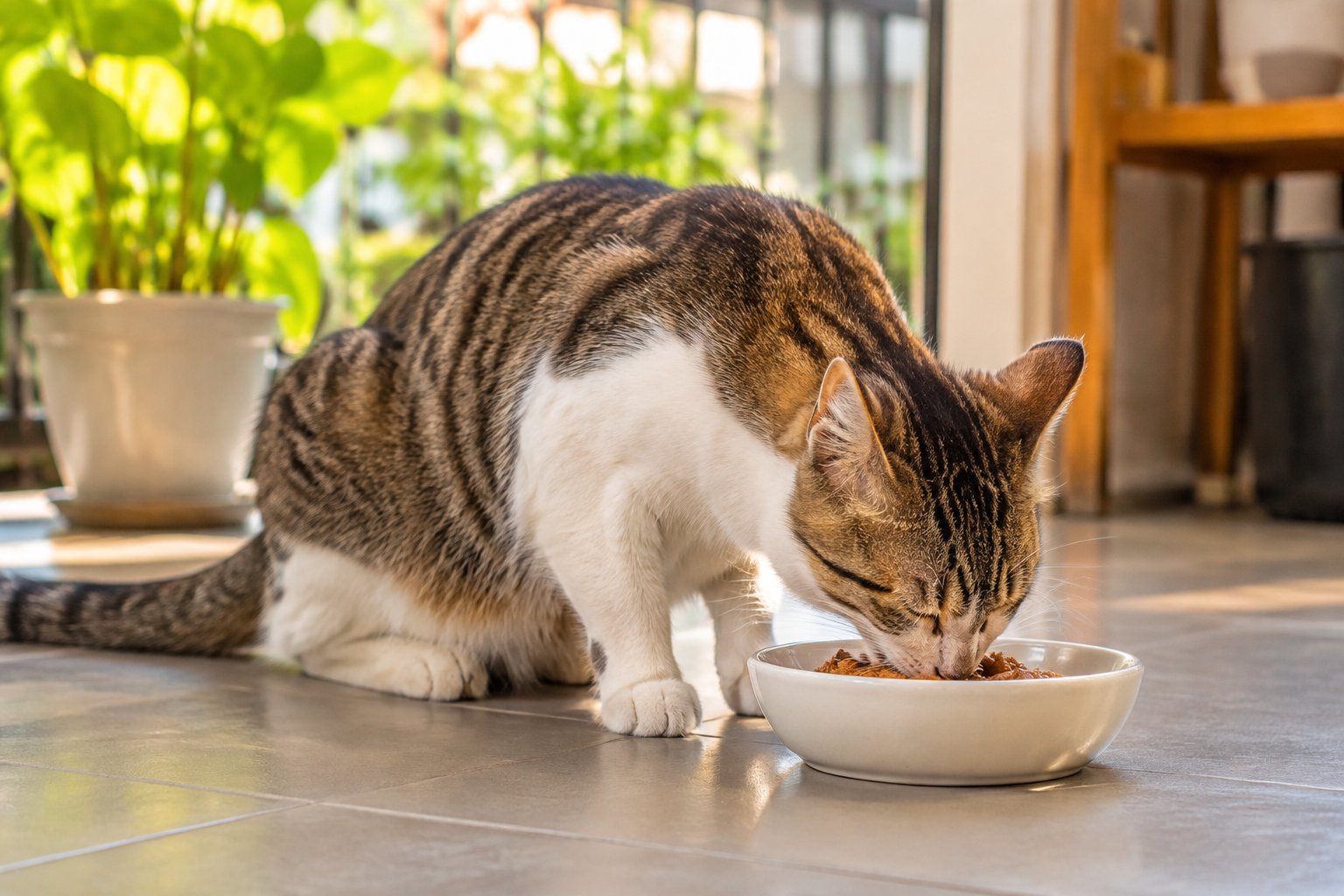
What raw cat food actually means
Raw cat food is uncooked meat, organs and bone, usually fed as a complete diet or as a topper. It can be home-prepared or bought as commercial frozen or freeze-dried raw. The goal is to mimic what a cat might eat in nature: animal protein, moisture, and the right minerals.
But raw feeding is not simply "give the cat a piece of chicken". A cat needs a balanced mix of muscle meat, organ meat, bone or calcium, fat, vitamins and taurine. Getting that balance wrong over months can cause serious health problems.
This guide walks you through the practical side: choosing ingredients, portion sizes, hygiene in a Malaysian kitchen, transitioning slowly, and knowing when raw food is not the right choice.
Why some owners choose raw food
Owners often switch to raw food for reasons such as shinier coats, smaller stools, better hydration, or because they want more control over ingredients. Some cats seem to enjoy the texture and smell of raw meat.
However, there is no single diet that suits every cat. Raw feeding has benefits and risks, and the evidence is mixed. What matters is that the diet is complete, safe to handle, and right for your individual cat.
If your cat has a health condition, is very young, pregnant, nursing, or elderly, talk to a veterinarian before changing the diet.
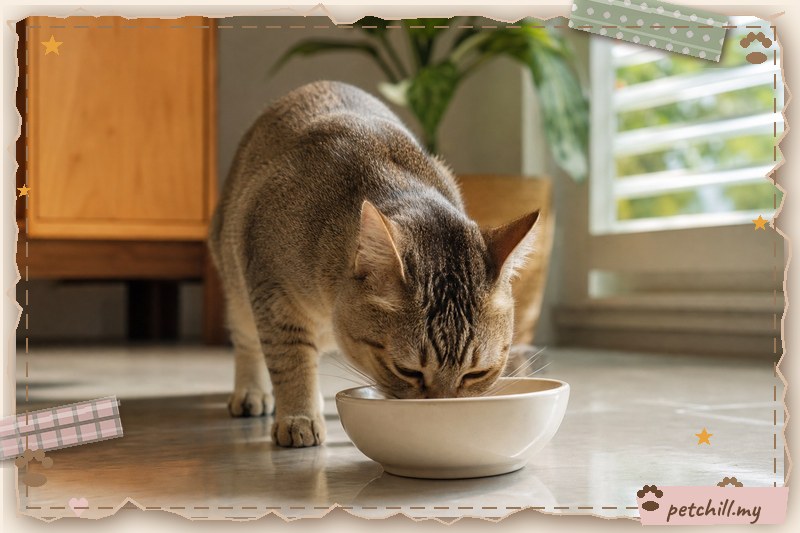
The building blocks of a balanced raw diet
A balanced raw cat diet usually includes:
- Muscle meat – chicken, beef, lamb, rabbit, duck or fish. This provides protein and some fat.
- Organ meat – especially liver for vitamin A and other nutrients, and heart for taurine. Organs should be a smaller portion, not the main ingredient.
- Bone or calcium source – raw edible bone, bone meal, or a calcium supplement. Cats need calcium and phosphorus in the right ratio.
- Fat – some fat is needed for energy and skin health, but too much can cause weight gain or digestive upset.
- Supplements – taurine, omega-3 fatty acids, vitamin E, and sometimes other vitamins and minerals depending on the recipe.
A common starting point for home recipes is roughly 80% muscle meat, 10% bone, 5% liver and 5% other organs, plus supplements. This is a general guide, not a prescription. Each recipe must be checked for nutrient adequacy.
Commercial raw diets are formulated to meet standards such as AAFCO or FEDIAF. If you are new to raw feeding, a complete commercial raw food is often the safer starting point.
Raw food comparison table
| Type | Pros | Cons | Best for |
|---|---|---|---|
| Commercial frozen raw | Balanced, convenient, clear feeding guide | Costs more, needs freezer space | Beginners, busy owners |
| Commercial freeze-dried raw | Easy to store, lightweight | Can be expensive, needs rehydration | Travel, small households |
| Home-made raw | Full control of ingredients | Easy to imbalance, time-consuming | Experienced owners working with a vet |
| Raw topper only | Adds moisture and variety | Not a complete diet | Cats on a balanced base diet |
How much to feed
Most healthy adult cats eat about 2–4% of their body weight in raw food per day. That is a starting point, not a fixed rule.
Examples:
- A 3 kg cat: about 60–120 g per day
- A 4 kg cat: about 80–160 g per day
- A 5 kg cat: about 100–200 g per day
Split this into two meals. Kittens, pregnant or nursing cats, and very active cats may need more. Senior or less active cats may need less.
Weigh your cat regularly and check body condition. You should be able to feel the ribs easily without seeing them, and see a waist from above. If your cat is gaining or losing weight, adjust the portion and ask your vet.
Always introduce portion changes gradually over a week or two.
Choosing and storing raw ingredients in Malaysia
Malaysia's warm, humid climate means raw meat needs extra care. Buy from reputable butchers or supermarkets with a good cold chain. Choose fresh-looking meat, keep it cold on the way home, and refrigerate or freeze it immediately.
Practical storage tips:
- Freeze meat in meal-sized portions so you only thaw what you need.
- Thaw in the fridge, not on the kitchen counter.
- Keep raw meat separate from cooked food and ready-to-eat items.
- Use airtight containers or freezer bags.
- Label with the date and use within a safe time.
- Do not refreeze thawed raw meat.
If you buy commercial raw food, follow the manufacturer's storage instructions. Keep frozen until use, and thaw in the fridge.
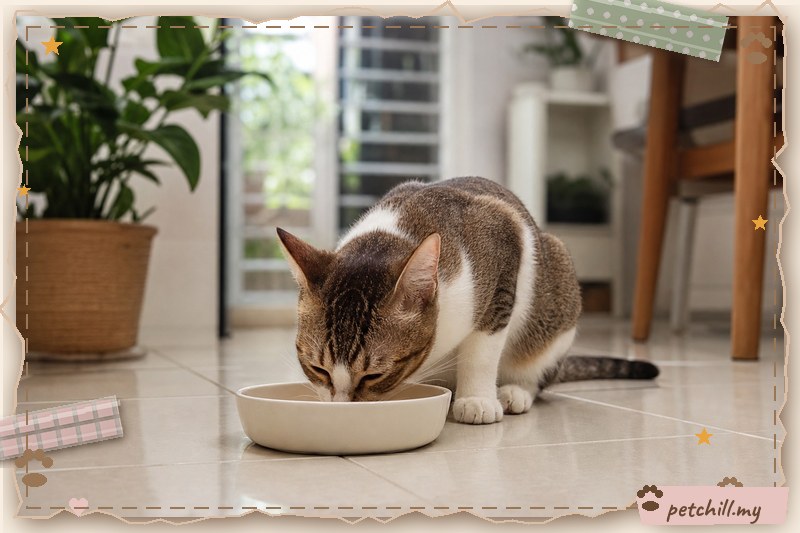
Hygiene in a Malaysian kitchen
Raw meat can carry bacteria such as Salmonella, E. coli and Campylobacter, and parasites such as Toxoplasma. These can affect cats and people, especially young children, elderly family members, and anyone with a weakened immune system.
Hygiene rules:
- Wash hands with soap and water before and after handling raw meat.
- Use a separate cutting board and knife for raw meat.
- Clean surfaces, bowls and utensils with hot soapy water after each meal.
- Do not leave raw food out for more than 20–30 minutes, especially in warm weather.
- Keep raw food away from children and other pets during preparation.
- Wash your cat's bowl after every meal.
- Dispose of leftovers and packaging safely.
If someone in the household is pregnant, immunocompromised, or very young, discuss the risks with a doctor and vet before starting raw feeding.
Transitioning your cat to raw food
Sudden diet changes can cause vomiting or diarrhoea. Transition slowly over 7–14 days.
A simple transition plan:
- Days 1–3: 75% old food, 25% raw
- Days 4–6: 50% old food, 50% raw
- Days 7–9: 25% old food, 75% raw
- Days 10–14: 100% raw, if all is well
Watch for loose stools, vomiting, refusal to eat, or lethargy. If problems persist, slow down or stop and speak to your vet.
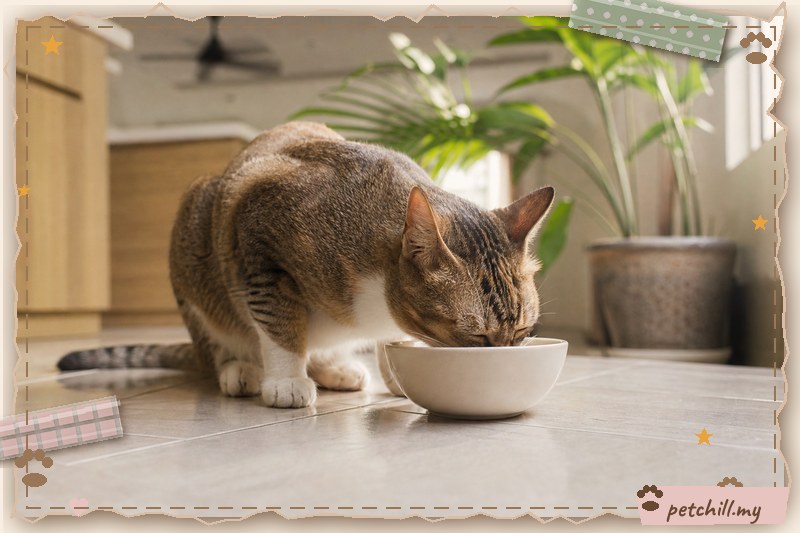
Some cats take to raw food immediately; others are suspicious. Try small pieces, slightly warmed food, or mixing with a little of the old food. Never starve a cat to force a switch. Cats that stop eating can become seriously ill.
Special cases: kittens, seniors and health conditions
Kittens have high nutrient needs and are more vulnerable to infections. Raw feeding for kittens should only be done with a vet-formulated recipe and close monitoring.
Pregnant and nursing cats also have special needs and should not be started on raw food without veterinary advice.
Senior cats may have kidney, dental or digestive issues. Raw food can be harder to chew or digest for some seniors, and their nutrient needs may differ.
Cats with kidney disease, liver disease, diabetes, pancreatitis, immune disorders, or those on certain medications may not be suitable for raw feeding. Always ask your vet first.
Common mistakes to avoid
- Feeding only muscle meat, which lacks calcium and other nutrients.
- Using too much liver, which can cause vitamin A toxicity.
- Forgetting taurine, which is essential for heart and eye health.
- Leaving raw food out too long in warm weather.
- Not washing hands, bowls and surfaces properly.
- Feeding raw food to a cat with a health condition without vet approval.
- Assuming raw food alone prevents parasites or dental disease.
When to see a vet
See a veterinarian if your cat shows any of these signs after starting raw food:
- Vomiting or diarrhoea that lasts more than a day
- Refusing to eat for more than 24 hours
- Lethargy, weakness or hiding
- Weight loss
- Blood in stool or vomit
- Straining to defecate
- Signs of pain or discomfort
- Any sudden change in behaviour or appetite
Also see a vet before starting raw feeding if your cat is very young, pregnant, nursing, elderly, or has any medical condition. A vet can help you choose a balanced recipe or commercial diet and monitor your cat's health.
Frequently asked questions
Can all cats eat raw food? No. Kittens, pregnant or nursing cats, seniors, and cats with kidney, liver, immune or digestive disease should only eat raw food under veterinary guidance. Healthy adult cats are the best candidates, but a vet check first is always wise.
How much raw food should I feed my cat? Most healthy adult cats need roughly 2–4% of their body weight in raw food daily, split into two meals. A 4 kg cat may eat about 80–160 g per day. Adjust based on body condition, activity and whether the cat gains or loses weight.
Do I need to freeze raw meat before feeding? Freezing meat for several days can reduce some parasites, but it does not kill all bacteria. Buy fresh meat from a trusted supplier, keep it cold, and freeze portions you will not use within a day or two. Hygiene matters more than freezing alone.
Is raw feeding safe for cats in Malaysia's heat? Yes, with care. Malaysia's warm climate makes raw meat spoil faster. Keep raw food chilled until serving, do not leave it out for more than 20–30 minutes, and clean bowls and surfaces immediately after meals.
Can raw food give my cat worms or infections? Raw meat can carry bacteria and parasites such as Salmonella, E. coli, Toxoplasma and tapeworm. Freezing, buying from reputable suppliers, and strict kitchen hygiene lower the risk. Regular deworming and vet checks are important.
Should I make raw food at home or buy commercial raw? Commercial raw diets are formulated to meet nutrient needs and are easier for beginners. Home-made raw food must be carefully balanced with the right muscle meat, bone, organ and supplements. Ask a vet or pet nutritionist to review any home recipe.
Vet disclaimer
This article is for general information only and is not a substitute for professional veterinary advice. Always consult a licensed veterinarian before changing your cat's diet, especially if your cat has a health condition, is pregnant, nursing, very young or elderly. Raw food handling carries hygiene risks; follow safe food practices and seek medical advice if anyone in the household becomes unwell.
Related reading
- Cat Food Guide Malaysia 2026: How to Choose Dry, Wet & Prescription Food
- Best High-Protein Cat Food in Malaysia: How to Choose (2025 Guide)
- Homemade Cat Food Feeding Guide for Cats: A Practical Malaysian Owner's Handbook
- Homemade Cat Food for Cats in Malaysia: A Practical, Vet-Informed Guide
- Raw Cat Food for Cats in Malaysia: A Practical, Vet-Informed Guide
- Senior Cat Food in Malaysia: A Practical Feeding Guide for Older Cats
- Best Hairball Control Food for Cats in Malaysia: A Practical Buying Guide
- Best Homemade Cat Food for Cats in Malaysia: A Practical Vet-Informed Guide
- Best Raw Cat Food for Cats in Malaysia: A Practical Buying Guide
- Dry Cat Food Feeding Guide for Cats: How Much, How Often and How to Do It Right

