
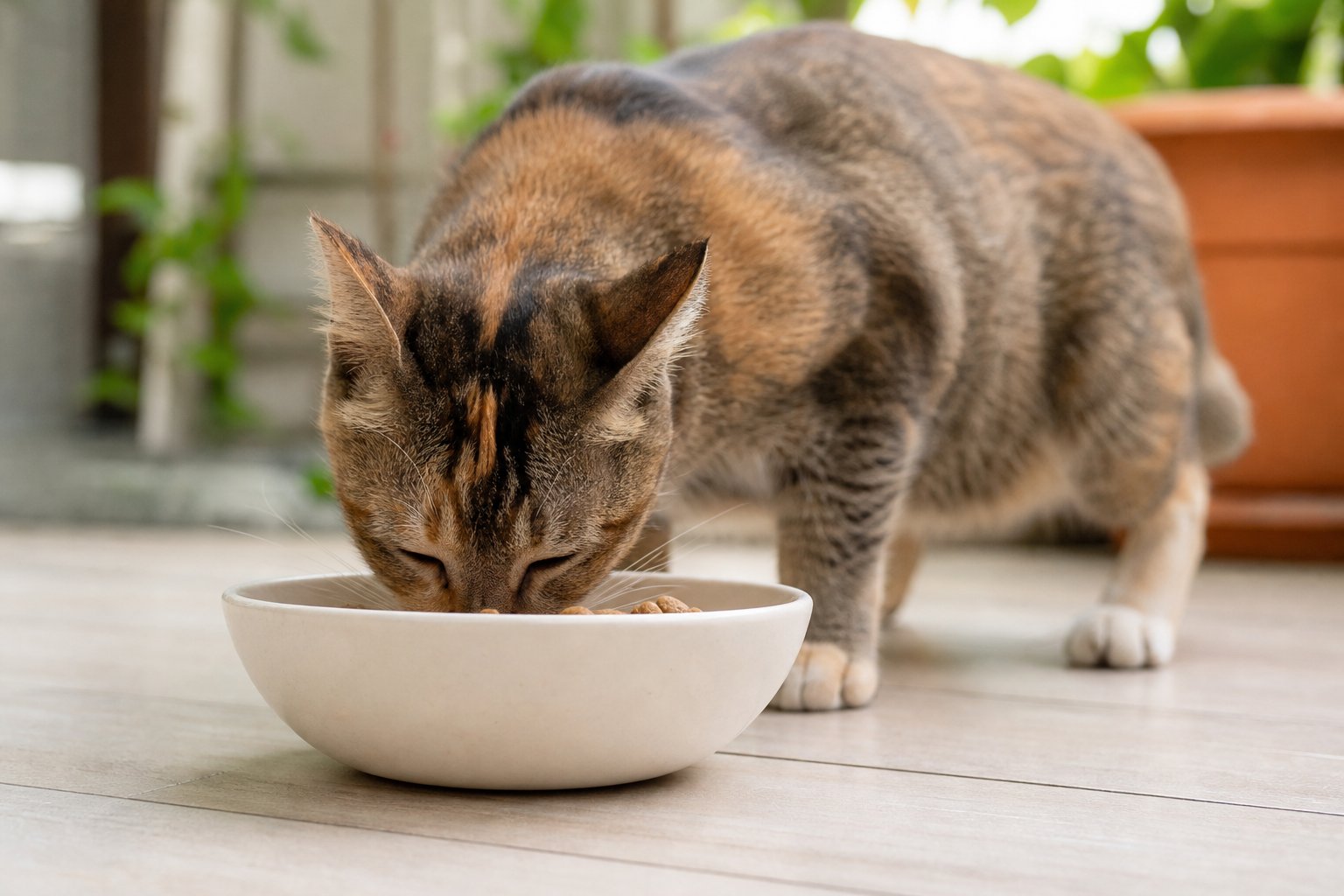
Start with the cat, not the recipe
Homemade cat food is not automatically healthier than commercial food. It is only better when the recipe is complete and balanced, the ingredients are safe, and the portions match your cat's needs. Cats are obligate carnivores with specific nutrient requirements; a bowl of chicken and rice is not a complete diet. Before you buy mince or blend a batch, decide whether homemade feeding fits your cat's life stage, health status and your household routine.
Kittens, pregnant or nursing queens, and cats with kidney, heart, urinary or digestive disease have different needs from healthy adults. A recipe that suits a healthy adult cat may be dangerous for a kitten or a cat with chronic kidney disease. If your cat is in any of these groups, get a veterinary review before changing food.
What "complete and balanced" actually means
A complete and balanced diet supplies all essential nutrients in the right amounts and proportions. For cats, the critical points include:
- Animal protein in sufficient quantity and quality.
- Taurine, an amino acid cats cannot make enough of; deficiency can cause heart and eye problems.
- Arginine and methionine, important for nitrogen metabolism and urinary health.
- Essential fatty acids, including omega-3s such as DHA and EPA.
- Vitamins A, D, E and B-group vitamins in safe amounts.
- Minerals, especially calcium, phosphorus, potassium, zinc, iron and iodine.
- Calcium-to-phosphorus balance, which is easy to get wrong when feeding muscle meat only.
Muscle meat is rich in phosphorus but low in calcium. Feeding only meat, or meat with rice, creates an imbalance that can harm bones and kidneys over time. Bone, eggshell calcium or a veterinary calcium supplement can correct this, but the amount must be calculated, not guessed.
Why organ meat matters
Liver and other organs supply vitamin A, copper and other nutrients. Too little causes deficiencies; too much liver can cause vitamin A toxicity. A recipe should specify organ meat amounts precisely. "Some liver" is not a recipe.
Why supplements are usually necessary
Even a varied meat-and-organ recipe often falls short on calcium, taurine, iodine, vitamin D and omega-3s. Veterinary supplement mixes are formulated to fill these gaps. Human supplements are not a safe substitute because doses and forms differ. Use only products recommended by a vet or veterinary nutritionist, and follow the dose exactly.

How to vet a homemade recipe
Use this checklist before you cook or serve a new recipe:
- Source: Is the recipe from a veterinary nutritionist, a university veterinary school, or a reputable veterinary organisation? Anonymous social media recipes are high risk.
- Life stage: Does it state whether it is for kittens, adults, pregnant or nursing cats, or a specific medical condition?
- Ingredients: Are all ingredients listed with weights, not vague cups? Are supplements named with exact doses?
- Completeness: Does the recipe state it meets a recognised nutrient profile, such as AAFCO or FEDIAF? If not, treat it as incomplete.
- Feeding amount: Does it give a daily amount or calorie estimate, and instructions to adjust for body condition?
- Preparation: Does it specify cooking method, cooling, storage and shelf life?
- Safety: Does it avoid toxic ingredients such as onion, garlic, chives, chocolate, grapes, raisins, xylitol and alcohol?
If a recipe fails any of these checks, do not use it as your cat's main diet. You can still use it as a treat if your vet agrees, but treats should stay under about 10% of daily calories.
Recipe review is worth the effort
A Malaysian vet can review your recipe and your cat's health. For complex cases, a board-certified veterinary nutritionist can formulate a recipe tailored to your cat. This is especially important for cats with kidney disease, urinary crystals, heart disease, allergies or obesity. A custom recipe may cost more upfront, but it reduces the risk of nutrient gaps and repeated vet visits.
Choosing ingredients in Malaysia
Malaysia's hot, humid climate affects ingredient safety and storage. Freshness and hygiene matter as much as the recipe itself.
- Protein sources: Chicken, beef, fish, eggs and organ meats are common. Choose fresh, chilled or frozen products from reputable suppliers. Avoid meat that has been sitting unrefrigerated.
- Fish: Fish can be part of a balanced diet, but feeding only fish is not balanced. Some fish contain thiaminase, an enzyme that destroys thiamine (vitamin B1). Cooking reduces this risk. Fish also contributes to urinary crystals in some cats, so portion control matters.
- Eggs: Cooked eggs are a good protein source. Raw egg whites contain avidin, which binds biotin; cooking prevents this.
- Carbohydrates: Cats do not need large amounts of carbohydrate. Small amounts of cooked rice, pumpkin or sweet potato may be used in some recipes, but they should not replace protein.
- Fats: A little animal fat or a veterinary omega-3 supplement can supply essential fatty acids. Avoid rancid oils.
- Water: Fresh, clean water should always be available. Homemade diets can be drier than canned food, so watch hydration, especially in cats with urinary issues.
Foods to avoid
Never include onion, garlic, chives, leeks, shallots, chocolate, cocoa, grapes, raisins, sultanas, xylitol, alcohol, caffeine or mouldy food. These can cause serious illness. Also avoid cooked bones, which can splinter, and excessive salt or human seasonings.
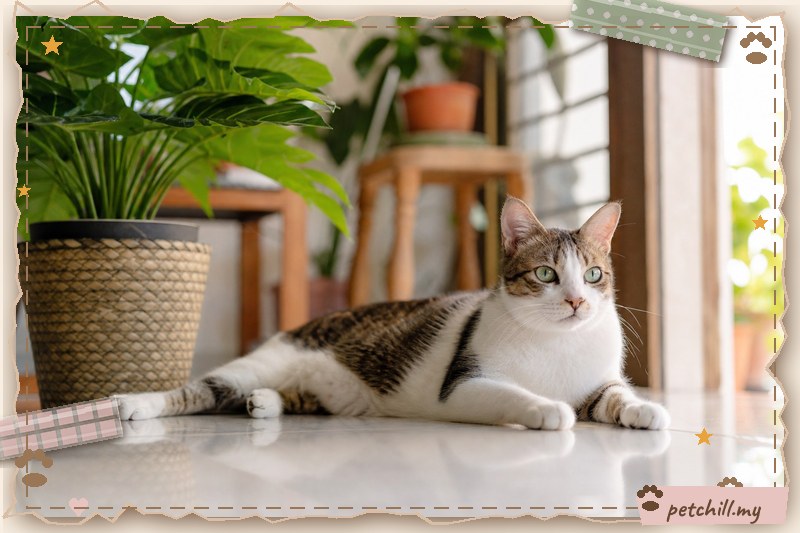
Portioning and body condition
Homemade food is easy to overfeed because it looks "natural" and portions are not pre-measured. Use a kitchen scale and track your cat's weight and body condition score.
A practical approach:
- Ask your vet for a daily calorie target based on ideal body weight and activity.
- Weigh the daily ration and divide it into meals.
- Check body condition every two weeks: ribs should be easy to feel but not visible, and there should be a waist behind the ribs.
- Adjust by about 10% at a time if weight drifts.
- Keep a simple log of food, weight and stool quality.
| Cat profile | Key consideration | Practical tip |
|---|---|---|
| Healthy adult, indoor | Maintain weight and muscle | Weigh food; encourage play and water |
| Kitten | Growth and bone development | Use a kitten-specific complete recipe; frequent meals |
| Senior cat | Muscle loss, kidney and dental health | Ask vet about protein and phosphorus; monitor weight |
| Overweight cat | Safe weight loss | Measure calories; avoid sudden crash diets |
| Cat with urinary history | Water intake and mineral balance | Discuss moisture, sodium and mineral targets with vet |
| Cat with kidney disease | Protein and phosphorus control | Do not use a generic recipe; get a custom plan |
Food safety in a tropical kitchen
Bacteria multiply quickly in warm, humid conditions. Follow these steps:
- Wash hands, knives, boards and containers with hot soapy water before and after handling raw meat.
- Keep raw meat separate from cooked food and ready-to-eat items.
- Cook meat thoroughly if using a cooked recipe; use a food thermometer where appropriate.
- Cool cooked food quickly, then refrigerate promptly.
- Store homemade food in small portions and freeze what you will not use within a short period.
- Defrost in the fridge, not on the counter.
- Discard food that has been out too long or smells off.
- Clean bowls daily.
If you feed raw, discuss the risks with your vet. Raw diets can expose cats and people in the household to bacteria such as Salmonella and Campylobacter. Households with young children, elderly people, pregnant women or immunocompromised individuals should be especially cautious.
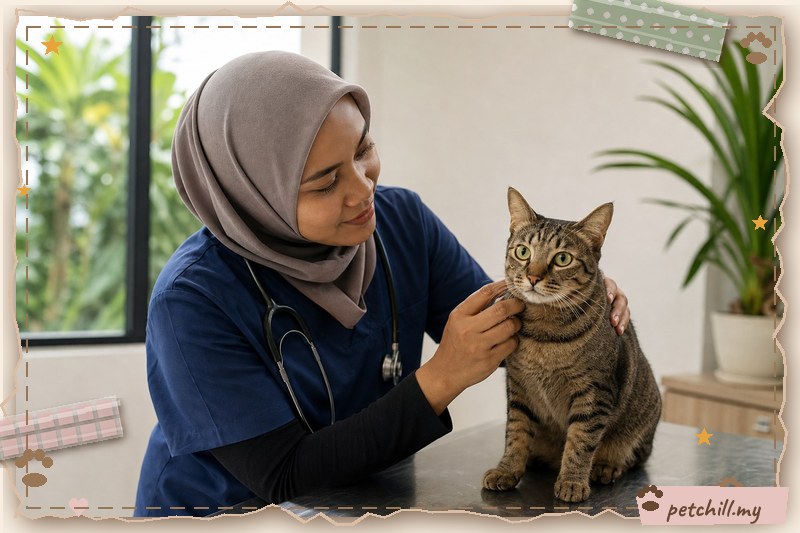
Transitioning slowly
Sudden diet changes can cause vomiting or diarrhoea. Transition over about seven to ten days by mixing increasing amounts of the new food with the old. If your cat has a sensitive stomach, go slower. Stop and call your vet if vomiting, diarrhoea or refusal to eat persists.
Common mistakes to avoid
- Feeding only chicken, fish or mince with rice.
- Skipping supplements or guessing doses.
- Using human multivitamins or calcium tablets without veterinary advice.
- Adding garlic "for flavour" or as a home remedy.
- Feeding cooked bones.
- Leaving food out in warm weather.
- Assuming homemade food is automatically hypoallergenic.
- Changing the recipe frequently without checking balance.
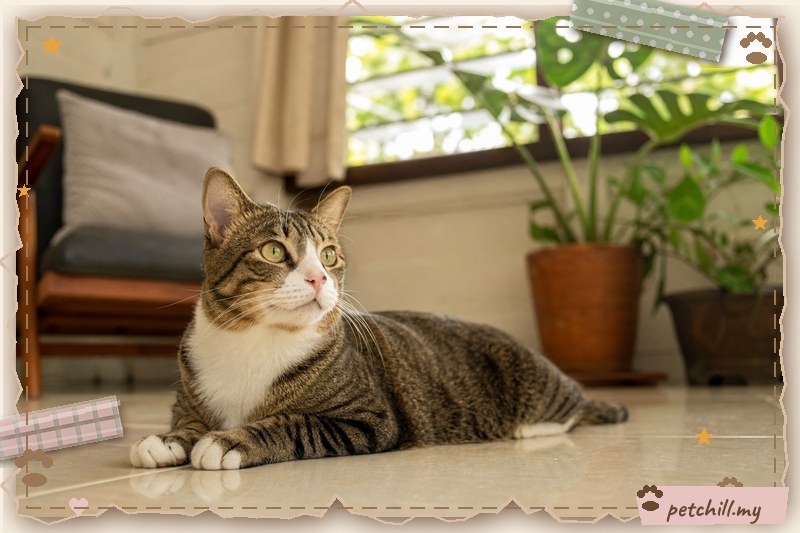
When to see a vet
See a vet before starting homemade food if your cat is a kitten, pregnant or nursing, senior, or has any medical condition. Seek prompt veterinary care if you notice weight loss, poor appetite, vomiting, diarrhoea, constipation, lethargy, weakness, poor coat, increased thirst or urination, or straining to urinate. Sudden refusal to eat, especially in an overweight cat, can be an emergency. If you suspect your cat ate onion, garlic, chocolate, grapes, xylitol or another toxic food, contact your vet immediately.
Frequently asked questions
Is homemade cat food better than commercial food? Not automatically. Homemade food can be excellent if it is complete and balanced and prepared safely. Commercial food is convenient and consistent. The best choice depends on your cat's health, your time, and whether a vet or nutritionist can review the recipe.
What nutrients must homemade cat food include? Cats need animal protein, essential amino acids like taurine, arginine and methionine, essential fatty acids, vitamins A, D, E and B-group, and minerals including calcium, phosphorus, potassium, zinc and iron. Calcium-to-phosphorus balance and taurine are especially critical.
Can I feed raw homemade cat food in Malaysia? Raw feeding carries bacterial risks in a hot, humid climate. If you choose raw, use strict hygiene, source from reputable suppliers, freeze appropriately, and discuss risks with your vet. Cooked homemade diets are often safer for beginners.
How much homemade food should I feed my cat? Feed to maintain ideal body condition, not a fixed cup. Start with your vet's calorie estimate, weigh food, and adjust based on weight and body condition score. Most adult cats need roughly 40–60 kcal per kg of ideal body weight daily, but individual needs vary.
Do homemade cat diets need supplements? Usually yes. Even meat-rich recipes can lack calcium, taurine, iodine, vitamin D or omega-3s. Use supplements recommended by a vet or nutritionist and follow doses exactly. Do not guess with human supplements.
When should I see a vet about homemade cat food? See a vet before starting, if your cat is a kitten, pregnant, nursing, or has kidney, heart, urinary or digestive disease, and if you notice weight loss, vomiting, diarrhoea, lethargy or poor coat. Sudden refusal to eat is urgent.
Vet disclaimer
This article is general information for Malaysian cat owners and is not a substitute for veterinary advice. Homemade diets should be reviewed by a licensed veterinarian or board-certified veterinary nutritionist who knows your cat's health status. Always seek professional guidance before changing your cat's diet.
Related reading
- Cat Food Guide Malaysia 2026: How to Choose Dry, Wet & Prescription Food
- Best Food for Picky Cats in Malaysia: A Practical Feeding Guide
- Best High-Protein Cat Food in Malaysia: How to Choose (2025 Guide)
- Food for Picky Cats: A Feeding Guide for Malaysian Cat Owners
- Homemade Cat Food for Cats in Malaysia: A Practical, Vet-Informed Guide
- How to Choose Weight Control Cat Food for Cats in Malaysia
- Weight Control Cat Food Feeding Guide for Cats in Malaysia
- Best Hairball Control Food for Cats in Malaysia: A Practical Buying Guide
- Cat Care in Malaysia: A Complete Guide for New and Experienced Owners

