
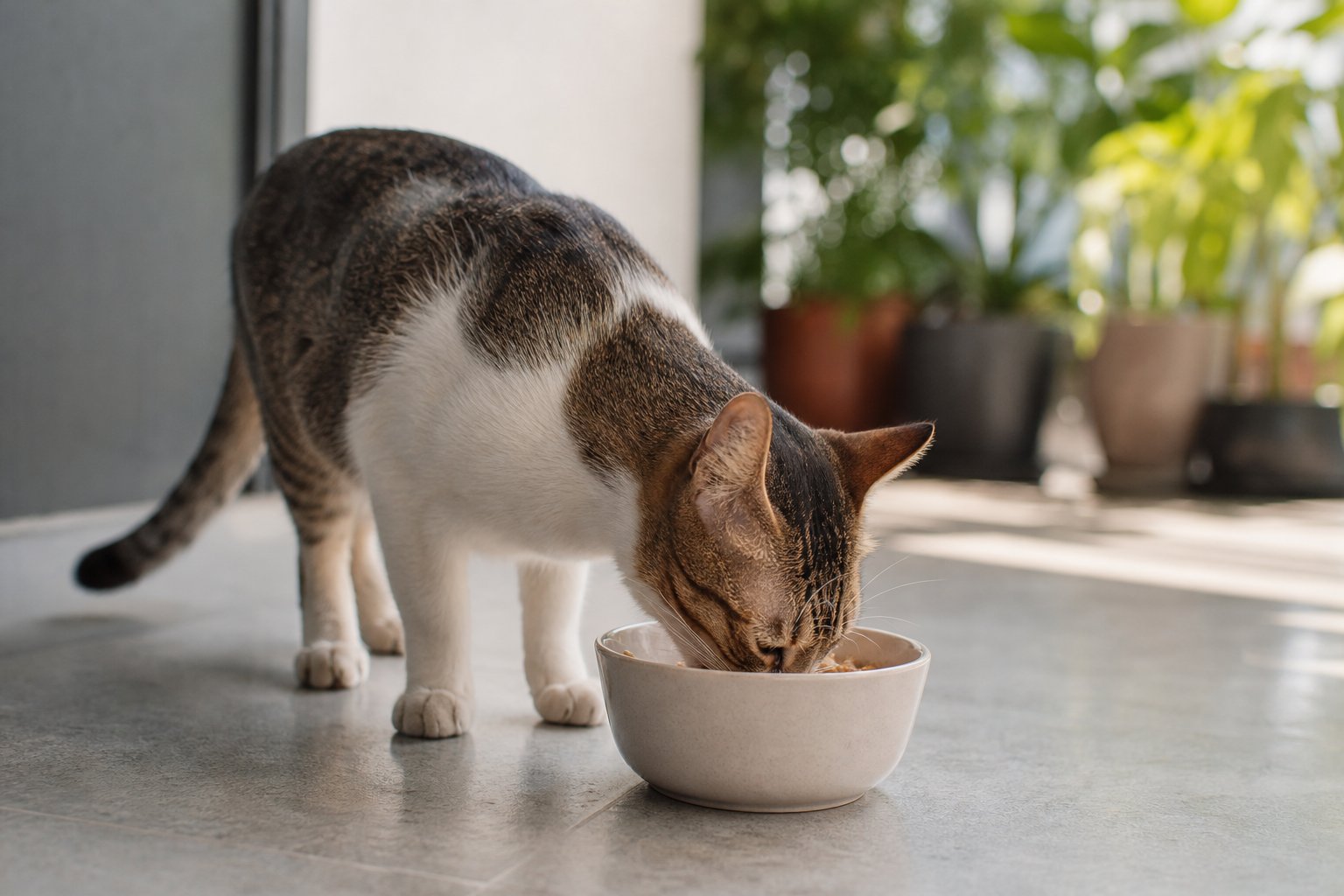
Why picky eating happens
Cats are not small dogs with fussier manners. They are obligate carnivores with a narrow natural diet, strong early food preferences and a highly developed sense of smell. A cat that turns its nose up at dinner is often responding to texture, temperature, aroma or routine rather than being deliberately difficult.
Kittens learn food preferences during a sensitive period in early life, so a cat raised on one texture may resist anything different later. Cats also associate food with how they feel. A cat that once felt nauseous after eating a particular food may avoid it, and a cat with dental pain may refuse hard kibble while still accepting soft wet food.
The practical takeaway is that pickiness has causes, and the best food is the one that is complete and balanced, suits your cat's health needs and is actually eaten. A premium diet left untouched in the bowl helps no one.
What makes a food appealing to a fussy cat
Appeal in cats comes down to a few measurable factors. Understanding them lets you troubleshoot without endlessly buying new brands.
| Factor | Why it matters | Practical test at home |
|---|---|---|
| Aroma | Cats rely heavily on smell to decide food is safe | Warm wet food slightly; compare how quickly your cat approaches |
| Texture | Pate, shredded, flaked and chunks suit different cats | Offer the same protein in two textures on separate days |
| Moisture | Wet food is more aromatic and easier to lick | Try a pate with a little warm water mixed in |
| Temperature | Food near body temperature smells stronger | Add a spoon of warm water, never microwave |
| Freshness | Oxidised fat smells off to cats | Serve small portions and refrigerate opened cans |
| Bowl and location | Whisker stress and busy areas reduce intake | Use a wide shallow dish in a quiet corner |
A common mistake is changing brands before changing texture or serving method. Many cats that reject a pate will happily eat the same protein shredded, and vice versa.
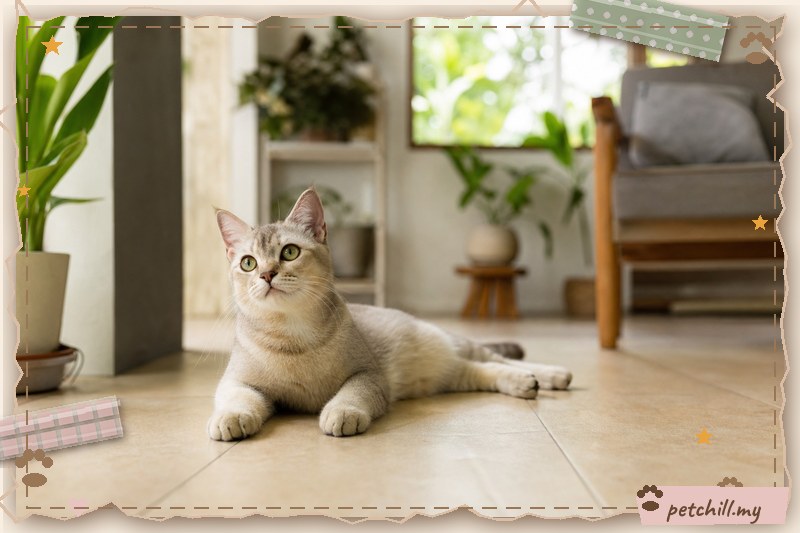
Wet food versus dry food for picky cats
Wet food has clear advantages for fussy eaters. It carries more aroma, provides water alongside nutrition and is easier for cats with sore mouths to eat. For cats that drink little, wet food also supports hydration, which matters for urinary and kidney health.
Dry food has convenience and cost advantages and can be useful for puzzle feeders or overnight snacks. However, leaving a bowl of kibble out all day is one of the most common reasons cats become fussy at mealtimes. Constant access flattens appetite and makes it hard to monitor intake.
A workable approach for many Malaysian households is a wet food base with measured meals, plus a small measured portion of dry food if your cat enjoys it. The exact split depends on your cat's weight, age and health, so ask your vet for a target daily calorie range rather than guessing.
How to read a cat food label
Look for a statement that the food is complete and balanced for a specific life stage, such as growth, adult maintenance or all life stages. This is the single most important line on the label.
Check the named animal protein near the top of the ingredient list. Named sources such as chicken, fish or turkey are clearer than vague terms. Look for a guaranteed analysis showing protein, fat, fibre and moisture, and remember that wet food percentages look lower than dry food because of water content.
Avoid choosing solely on flavour names or packaging claims. A food marketed as gourmet is not automatically better than a plain complete diet. If your cat has kidney, urinary, digestive or skin issues, a veterinary therapeutic diet may be appropriate, and that decision belongs with your vet.
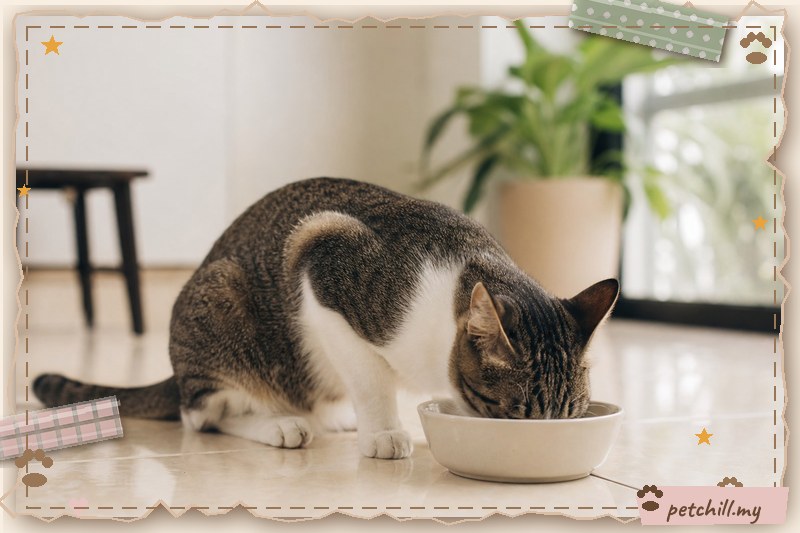
Transitioning a picky cat without a hunger strike
Cats are neophobic, meaning they are wary of new things, including new food. A slow transition respects that.
- Start with about 90 percent old food and 10 percent new food.
- Increase the new food every two to three days if stools stay normal and your cat keeps eating.
- Warm the mixture slightly with a spoon of warm water to boost aroma.
- Keep meal times and the feeding spot consistent.
- Remove uneaten wet food after 20 to 30 minutes.
- Track daily intake in a notebook or phone note.
- If your cat refuses a meal, return to the previous ratio for a day or two.
Never withhold food to force acceptance. Cats are not designed for prolonged fasting, and a cat that stops eating can develop hepatic lipidosis, a dangerous liver condition. If your cat refuses food for a full day, treat it as a veterinary concern.
Feeding routines that reduce fussiness
Structure helps more than variety. Cats are creatures of habit, and predictable meals often improve intake.
- Feed at the same times each day, ideally two to four small meals.
- Measure portions so you know exactly how much is offered.
- Keep the bowl in a quiet place away from litter boxes and busy walkways.
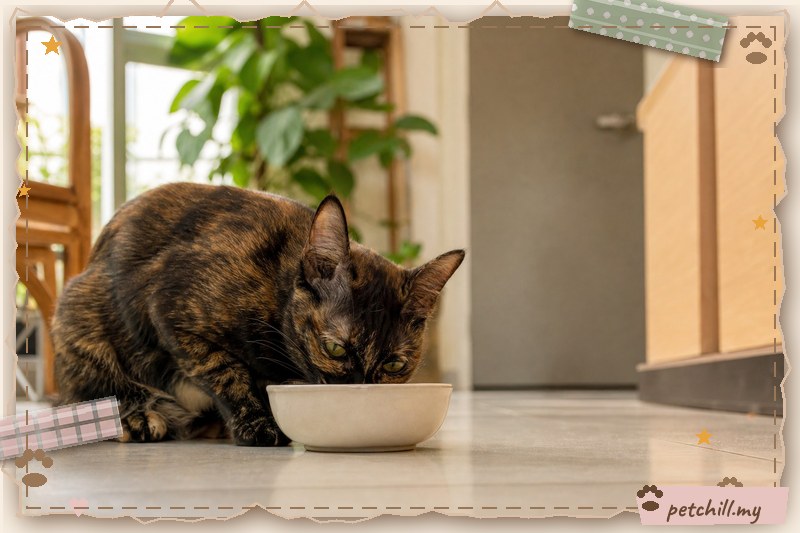
- Use wide, shallow ceramic or stainless steel dishes to reduce whisker contact.
- Avoid topping every meal with treats, which teaches a cat to hold out for extras.
- Rotate textures within a trusted complete diet rather than rotating brands constantly.
- Keep food fresh; opened wet food should be refrigerated and used within the label's guidance.
In warm Malaysian weather, wet food spoils quickly. Serve small amounts and discard leftovers promptly rather than leaving them out for hours.
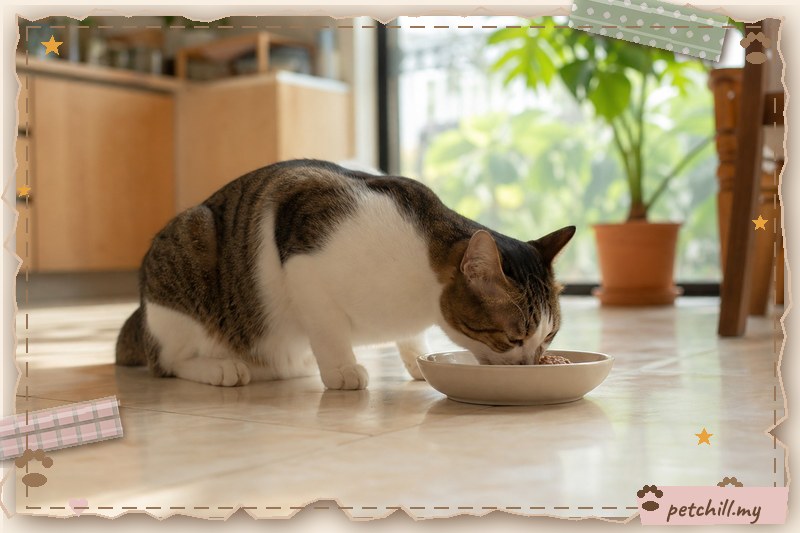
When pickiness is a health warning
A cat that has always been fussy is one thing. A cat that suddenly stops eating is another. Seek veterinary advice if you notice any of the following:
- A full day without eating, or a sharp drop in intake over two or three days.
- Weight loss, hiding, lethargy or reduced grooming.
- Drooling, chewing on one side, dropping food or bad breath.
- Vomiting, diarrhoea or constipation.
- Increased thirst and urination alongside reduced appetite.
- Eating litter or other non-food items.
Dental disease, kidney disease, hyperthyroidism, gastrointestinal disease and stress can all present as fussiness. A vet can examine the mouth, run blood and urine tests and advise whether a therapeutic diet is needed.
When to see a vet
See a vet promptly if your cat has not eaten for 24 hours, is losing weight, is vomiting repeatedly, has difficulty chewing, or shows pain when the mouth is touched. Also book a visit if a previously enthusiastic eater becomes picky over a few days, or if you are struggling to find any food your cat will eat. Early advice is cheaper and safer than waiting for a cat to become weak. For general pet care guidance in Malaysia, the Department of Veterinary Services and SPCA Selangor publish useful resources, and your own veterinarian can assess your cat directly.
Malaysia-specific practicalities
Malaysian homes vary widely, and feeding routines should fit the environment. In a Kuala Lumpur apartment, space is limited and smells travel, so store opened wet food in sealed containers in the fridge and serve small portions rather than leaving bowls out. In a Johor terrace house, cats may have more room to roam, but outdoor access means other animals can steal food, so feed indoors at set times.
During the Penang rainy season, humidity rises and dry food can soften and spoil faster. Store kibble in an airtight container away from heat and sunlight, and buy smaller bags if your cat eats slowly. Whatever the setting, clean bowls daily and wash food scoops regularly.
A simple decision checklist
Before buying another brand, work through these questions:
- Is the current food labelled complete and balanced for my cat's life stage?
- Has my cat had a vet check within the last year?
- Am I free-feeding, and could that be reducing appetite?
- Have I tried the same protein in a different texture?
- Is the food fresh and stored correctly?
- Is the feeding area quiet and the bowl comfortable?
- Am I tracking how much my cat actually eats?
If the answers point to a health concern, start with the vet. If they point to routine or texture, adjust those first. Most picky cats improve with structure, warmth, moisture and patience rather than a cupboard full of half-used brands.
Frequently asked questions
See the FAQ section for direct answers on food choice, free-feeding, transitions, normal fussiness, wet versus dry food and fasting limits.
Vet disclaimer
This article provides general information only and is not a substitute for veterinary advice. Every cat is different, and health conditions, allergies and life stage affect food choice. Consult a licensed veterinarian in Malaysia about your cat's diet, especially before changing foods or if your cat is unwell.
Related reading
- Cat Food Guide Malaysia 2026: How to Choose Dry, Wet & Prescription Food
- Best High-Protein Cat Food in Malaysia: How to Choose (2025 Guide)
- Food for Picky Cats: A Feeding Guide for Malaysian Cat Owners
- Food for Picky Cats in Malaysia: A Practical Feeding Guide
- How to Choose Food for Picky Cats: A Malaysian Guide
- How to Choose Homemade Cat Food for Cats: A Malaysian Guide
- How to Choose Urinary Care Cat Food for Cats: A Malaysian Owner's Guide
- How to Choose Weight Control Cat Food for Cats in Malaysia
- Weight Control Cat Food Feeding Guide for Cats in Malaysia
- Wet vs Dry Cat Food in Malaysia: Water, Cost and How to Choose
- Best Food Transition for Cats in Malaysia: A Step-by-Step Guide
- Best Hairball Control Food for Cats in Malaysia: A Practical Buying Guide