
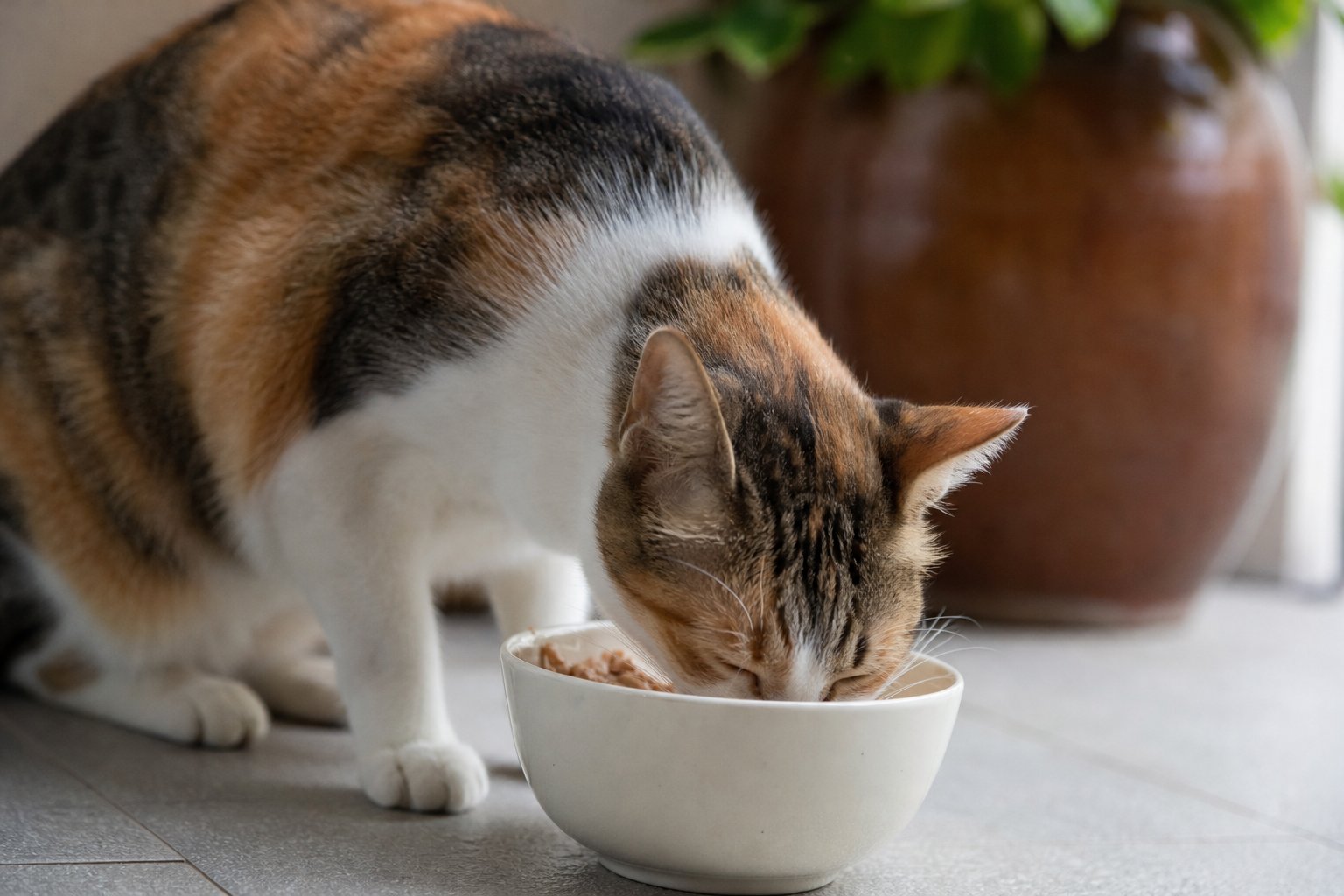
What is hypoallergenic cat food and when is it needed?
Hypoallergenic cat food is a specially formulated diet designed to minimise allergic reactions in cats. It works by either breaking down proteins into fragments too small for the immune system to recognise (hydrolysed protein) or by using a protein source your cat has never eaten before (novel protein). These diets are not a cure-all; they are medical tools for diagnosing and managing food allergies.
Food allergies in cats are relatively uncommon compared to other causes of itching, but they do occur. The most common allergens are animal proteins like chicken, beef, and fish. If your cat has persistent skin problems, digestive issues, or recurrent ear infections, your vet may suspect a food allergy and recommend a hypoallergenic diet trial.
In Malaysia, where many cats live indoors in apartments or terrace houses, food allergies can be tricky to spot because owners often attribute scratching to mosquitoes or heat. However, a true food allergy usually causes year-round symptoms, not just seasonal ones.
Recognising the signs: is it really a food allergy?
Food allergy symptoms in cats can be divided into skin and digestive signs. Skin signs include intense itching around the head and neck, hair loss, scabs, and recurrent ear infections. Digestive signs include vomiting, diarrhoea, and increased frequency of bowel movements. Some cats have both.
It is important to rule out other causes first. Flea allergy dermatitis, environmental allergies (such as dust mites or pollen), and parasitic infections can look similar. Your vet may perform skin scrapings, flea treatment trials, or blood tests to rule these out before suggesting a diet trial.
A key clue is whether symptoms are non-seasonal and respond poorly to steroids or other anti-itch medications. If your cat has been itchy all year round and nothing seems to help, a food allergy is a possibility.
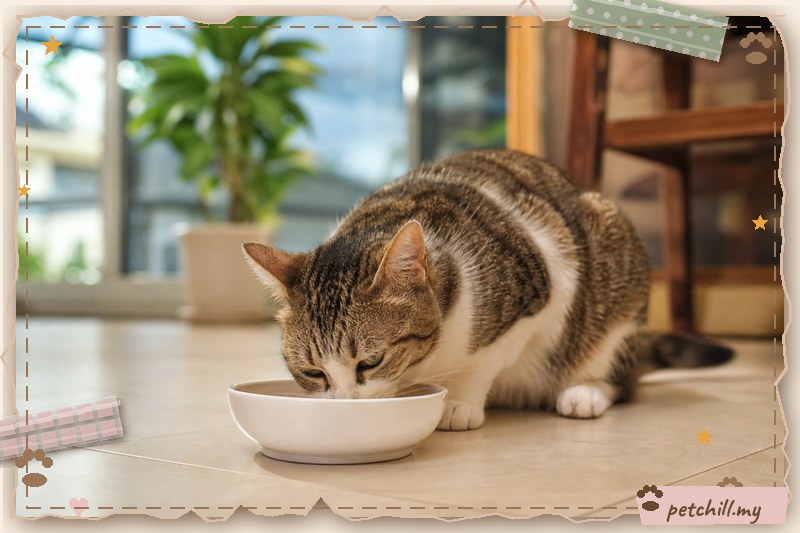
Types of hypoallergenic diets: hydrolysed vs novel protein
There are two main types of hypoallergenic cat food: hydrolysed protein diets and novel protein diets. Each has its pros and cons.
Hydrolysed protein diets use proteins that have been chemically broken down into small peptides. The immune system typically does not recognise these small fragments, so it does not trigger an allergic reaction. Common hydrolysed proteins include chicken, soy, and feather protein. These diets are often very effective, but some cats may still react to the peptides.
Novel protein diets use a protein source that your cat has never eaten before, such as venison, duck, rabbit, or kangaroo. The idea is that if the immune system has never seen this protein, it will not react. However, cross-reactivity can occur between similar proteins (e.g., chicken and turkey), so the chosen protein must be truly novel for your cat.
Both types are available as dry and wet foods. In Malaysia, you can find these diets at veterinary clinics and specialty pet stores, but availability varies. Always check with your vet for suitable brands.
| Feature | Hydrolysed Protein | Novel Protein |
|---|---|---|
| How it works | Proteins broken into tiny fragments | Uses a protein your cat has never eaten |
| Common examples | Hydrolysed chicken, soy, feather | Venison, duck, rabbit, kangaroo |
| Risk of reaction | Low, but possible | Low if truly novel, but cross-reactivity possible |
| Palatability | Often less tasty | Often more palatable |
| Cost | Generally higher | Varies, often high |
| Availability in Malaysia | Limited, mainly via vets | Limited, specialty stores |
How to choose the right hypoallergenic food for your cat
Choosing the right diet starts with a veterinary consultation. Your vet will take a detailed history, including what your cat has been eating, to identify potential allergens. They may recommend a specific diet based on your cat's age, health status, and food preferences.
When selecting a diet, consider the following:
- Nutritional completeness: Ensure the diet meets AAFCO or equivalent nutritional standards for your cat's life stage. Some hypoallergenic diets are not complete and require supplementation.
- Protein source: If your cat has a known allergy to chicken, avoid hydrolysed chicken and opt for a novel protein like venison or duck.
- Form: Dry food is convenient, but wet food can be more palatable and provides extra hydration, which is important for urinary health.
- Palatability: Hypoallergenic diets can be less tasty. Ask your vet for samples or small bags to test acceptance.
- Cost and availability: These diets are typically more expensive than regular cat food. In Malaysia, prices vary, so check with your vet or local retailer for current pricing and stock.
Always read the ingredient list carefully. Some “hypoallergenic” over-the-counter diets may not be truly hypoallergenic; they might simply be grain-free or limited-ingredient. Prescription diets from your vet are formulated to be more reliable.
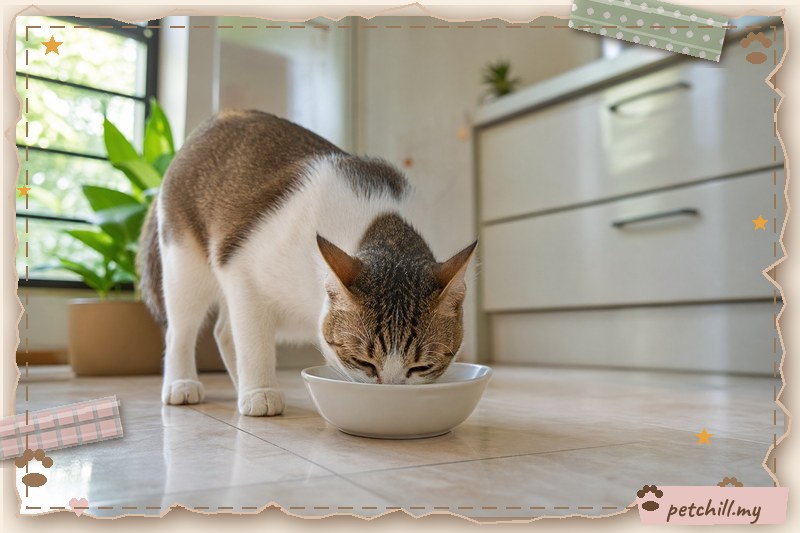
The elimination diet trial: step-by-step
An elimination diet trial is the gold standard for diagnosing food allergies. It involves feeding your cat only the hypoallergenic diet for a set period, typically 8–12 weeks, while strictly avoiding all other foods.
Here is a step-by-step guide:
- Vet consultation: Discuss the trial with your vet. They will help you choose the diet and rule out other conditions.
- Transition gradually: Over 7–10 days, mix increasing amounts of the new food with the old food to prevent digestive upset.
- Strict exclusivity: Once fully transitioned, feed only the hypoallergenic diet. No treats, no table scraps, no flavoured medications, no toothpaste. Even a small amount of another food can trigger a reaction.
- Monitor symptoms: Keep a diary of your cat's itching, scratching, vomiting, and stool quality. Take photos of skin lesions to track progress.
- Recheck with your vet: After 8–12 weeks, if symptoms have improved, your vet may suggest a food challenge (reintroducing the old food) to confirm the allergy. If symptoms return, the diagnosis is confirmed.
- Long-term management: If the allergy is confirmed, you will need to keep your cat on the hypoallergenic diet long-term, or find a suitable maintenance diet.
During the trial, keep your cat indoors or supervise outdoor access to prevent scavenging. In Malaysian neighborhoods, cats may roam and eat leftovers, so vigilance is key.
Feeding practicalities for Malaysian cat owners
Feeding a hypoallergenic diet in Malaysia comes with unique challenges. The hot and humid climate means food can spoil quickly, so store dry food in airtight containers in a cool, dry place. Wet food should be served immediately and leftovers refrigerated for no more than 24 hours.
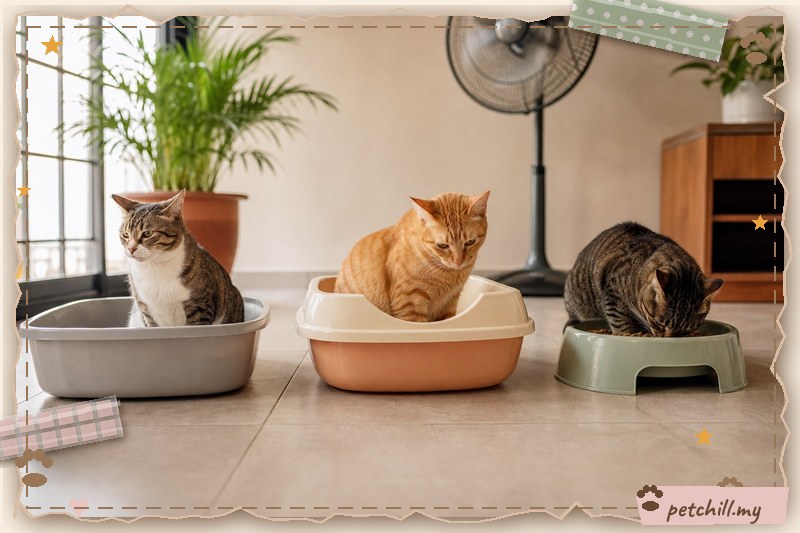
If you live in an apartment, ensure your cat cannot access other pets' food. Multi-cat households need separate feeding stations or supervised feeding times. In a terrace house with a garden, watch for cats hunting lizards or insects, which can introduce allergens.
Water is essential. Cats on dry food need constant access to fresh water. Consider a water fountain to encourage drinking, especially in warm weather.
When traveling with your cat, bring enough hypoallergenic food for the entire trip. Do not assume you can buy the same diet at your destination. If you run out, contact your vet for emergency options.
Common mistakes to avoid
Many owners make mistakes during a diet trial that can lead to false conclusions. Here are some common pitfalls:
- Giving in to begging: Cats can be persistent. Do not give in to treats or table scraps, even small amounts.
- Using flavoured medications: Some medications contain animal proteins. Ask your vet for unflavoured alternatives.
- Not reading labels: Some commercial treats and foods contain hidden allergens. Always check ingredients.
- Ending the trial too early: It can take up to 12 weeks to see full improvement. Do not give up after a few weeks.
- Not keeping a diary: Without records, it's hard to tell if symptoms are improving.
- Allowing access to other food: In multi-pet homes, cats may eat each other's food. Feed separately.
When to see a vet
You should see a vet if your cat shows any of the following signs:
- Persistent scratching, especially around the head and neck
- Hair loss or bald patches
- Recurrent ear infections
- Vomiting or diarrhoea that does not resolve
- Weight loss or poor appetite
- Skin lesions or scabs
If you suspect a food allergy, do not start a hypoallergenic diet on your own. Your vet needs to rule out other causes and recommend the most appropriate diet. Self-diagnosing can delay proper treatment and cause unnecessary suffering.
Related reading
- Cat Food Guide Malaysia 2026: How to Choose Dry, Wet & Prescription Food
- Best Hypoallergenic Cat Food in Malaysia: A Practical Guide for Itchy, Scratching Cats
- Hypoallergenic Cat Food in Malaysia: A Practical Guide for Itchy, Scratchy Cats
- Best Hairball Control Food for Cats in Malaysia: A Practical Buying Guide
- Best High-Protein Cat Food in Malaysia: How to Choose (2025 Guide)
- Dry Cat Food Feeding Guide for Cats: How Much, How Often and How to Do It Right
- Homemade Cat Food Feeding Guide for Cats: A Practical Malaysian Owner's Handbook
- Homemade Cat Food for Cats in Malaysia: A Practical, Vet-Informed Guide
- How to Choose Hypoallergenic Cat Food in Malaysia: A Practical Guide
- How to Choose Kitten Food for Cats: A Practical Malaysian Guide
- Kitten Food Feeding Guide for Cats in Malaysia: How Much, How Often, and What to Feed
- Raw Cat Food Feeding Guide for Cats: A Practical Malaysian Owner's Handbook

