Quick answer
The best weight control cat food for cats in Malaysia is one that is high in protein, moderate in fat, and low in calories, with clear feeding guidelines. Look for products that state calorie content per 100g and are formulated for weight management. Always transition gradually and consult a Malaysian vet for a tailored plan.
Why weight control matters for Malaysian cats
Many Malaysian cats live indoors, especially in apartments and terrace houses, where they get less opportunity to roam and hunt. Combined with free-feeding and high-calorie treats, this can lead to weight gain. Obesity in cats is linked to serious health issues such as diabetes, arthritis, and heart disease. Helping your cat maintain a healthy weight is one of the most important things you can do for their long-term health.
In Malaysia's hot and humid climate, cats may be less active during the day, so managing calorie intake becomes even more critical. Indoor cats in Kuala Lumpur apartments, for example, may not have access to outdoor space, making portion control and playtime essential.
How to tell if your cat is overweight
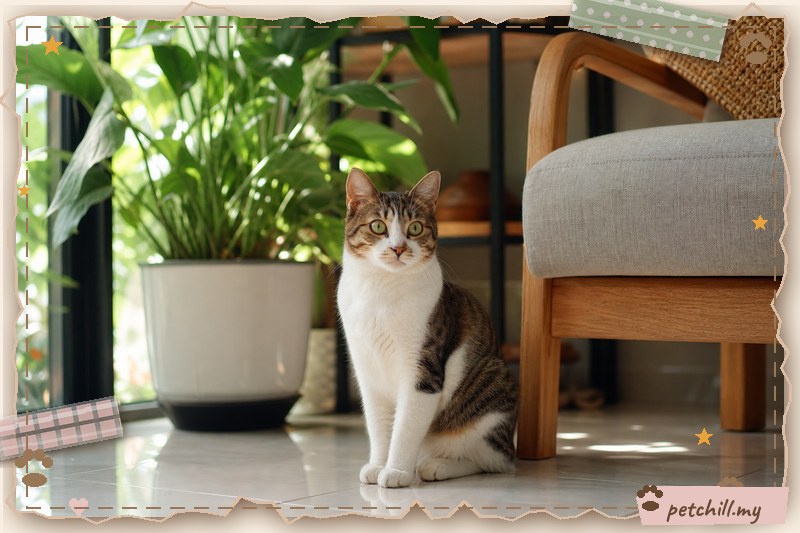
Before choosing a weight control food, confirm that your cat actually needs to lose weight. Use a body condition score (BCS) system, which vets use to assess body fat. You can do a quick check at home:
- Ribs: You should be able to feel your cat's ribs easily with light pressure. If you have to press hard, your cat may be overweight.
- Waist: Looking from above, there should be a visible waist behind the ribs. From the side, the belly should tuck up.
- Spine and hips: You should feel the spine and hip bones under a thin layer of fat, not buried.
If you are unsure, ask your vet to assess your cat's BCS. A score of 5 out of 9 is ideal; 6–7 is overweight; 8–9 is obese.
Key features of a good weight control cat food
When comparing products, focus on these nutritional factors:
1. Calorie content
The most important factor for weight loss is calorie intake. Choose a food that provides a clear calorie statement, such as "metabolisable energy (ME) kcal per 100g" or "kcal per cup". Weight control foods typically contain around 300–350 kcal per 100g of dry matter, compared to 400+ kcal for regular foods. However, exact figures vary, so always check the label.
2. Protein level
High protein helps preserve muscle mass during weight loss and keeps cats feeling full. Look for a food with at least 30–35% protein on a dry matter basis. Animal-based proteins are preferable.
3. Fat level
Fat is calorie-dense, so weight control foods have reduced fat, typically around 10–15% on a dry matter basis. However, fat should not be too low, as essential fatty acids are important for skin and coat health.
4. Fibre
Increased fibre can help cats feel full and reduce begging. Some weight control foods contain added fibre sources like cellulose or beet pulp. However, too much fibre can interfere with nutrient absorption, so moderation is key.
5. Moisture
Wet food has higher moisture content, which can help with satiety and hydration. In Malaysia's hot climate, hydration is especially important. Consider incorporating wet food into your cat's diet, but choose a weight control or lower-calorie option.
6. Feeding guidelines
A good product provides clear feeding guidelines based on ideal weight. Avoid foods that only give guidelines based on current weight, as this can lead to overfeeding.
Comparison table: What to look for
| Feature | Ideal for weight control | What to avoid |
|---|---|---|
| Calories (ME) | 300–350 kcal/100g dry matter | >400 kcal/100g |
| Protein | ≥30% dry matter | <25% dry matter |
| Fat | 10–15% dry matter | >20% dry matter |
| Fibre | 5–10% dry matter | <3% or >15% |
| Feeding guide | Based on ideal weight | Based on current weight only |
| Ingredients | Named meat source first | Unnamed meat or by-products |
Note: These are general guidelines. Always check the specific product label and consult your vet.
Types of weight control cat food available in Malaysia
Malaysian pet stores and online retailers offer a variety of weight control options. Here are the main categories:
Dry weight control foods
These are the most common and convenient. They are calorie-reduced and often higher in fibre. Examples include brands like Royal Canin, Hill's, and Purina Pro Plan, which offer weight management formulas. However, availability varies, so check with local retailers.
Wet weight control foods
Wet foods with lower calories are available, often in pouches or cans. They are useful for increasing moisture intake. Some brands offer "light" or "weight management" wet formulas.
Prescription weight loss diets
If your cat is obese or has health issues, your vet may recommend a prescription diet, such as Hill's Prescription Diet Metabolic or Royal Canin Satiety. These are only available through vets and are formulated for safe weight loss under veterinary supervision.
Home-cooked or raw diets
Some owners prefer home-cooked or raw diets for weight control. However, these require careful formulation to ensure nutritional completeness. Consult a veterinary nutritionist if you choose this route.
How to transition to a weight control food
Sudden diet changes can cause digestive upset. Transition gradually over 7–10 days:
- Days 1–2: 25% new food, 75% old food
- Days 3–4: 50% new, 50% old
- Days 5–6: 75% new, 25% old
- Days 7–10: 100% new
Monitor for vomiting, diarrhoea, or refusal to eat. If problems persist, slow down the transition.
Portion control and feeding strategies
Even the best weight control food won't work if portions are too large. Follow these tips:
- Weigh food: Use a kitchen scale to measure dry food in grams, rather than using a cup, which can be inaccurate.
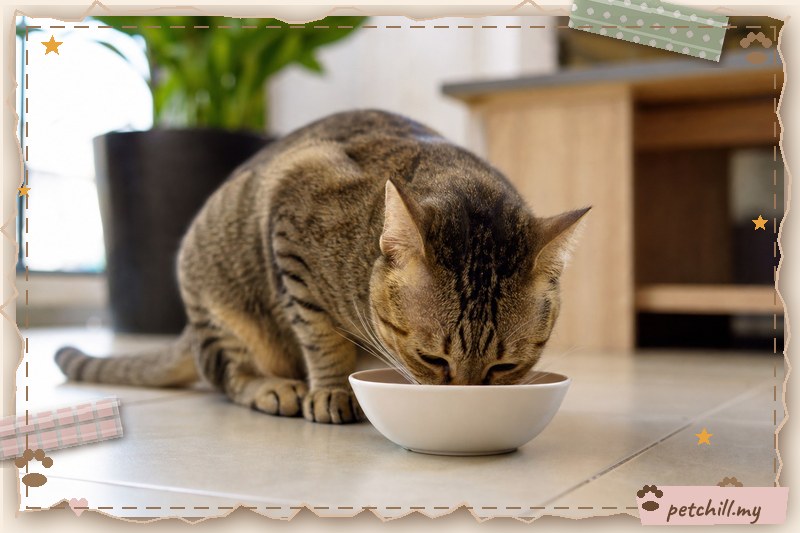
- Feed meals: Instead of free-feeding, feed 2–3 measured meals per day. This helps control intake and reduces begging.
- Use puzzle feeders: These slow down eating and provide mental stimulation.
- Limit treats: Treats should make up no more than 10% of daily calories. Use small pieces of cooked chicken or commercial low-calorie treats.
- Account for wet food: If mixing wet and dry, reduce dry portion accordingly.
Exercise and enrichment
Diet alone is not enough; increase your cat's activity. In Malaysian homes, you can encourage exercise with:
- Daily play sessions using wand toys, laser pointers (follow with a physical toy to catch), or balls.
- Food puzzles and scatter feeding.
- Vertical space: cat trees or shelves for climbing.
- Window perches for mental stimulation.
Even 10–15 minutes of active play twice a day can make a difference.
Common mistakes to avoid
- Feeding based on current weight: Always use ideal weight for portion calculations.
- Free-feeding dry food: This makes it impossible to track intake.
- Ignoring treats: Treats can add significant calories.
- Too rapid weight loss: Can cause hepatic lipidosis (fatty liver), especially in overweight cats. Aim for 0.5–1% body weight loss per week.
- Not consulting a vet: Your vet can rule out underlying health issues and provide a safe plan.
When to see a vet
Consult a veterinarian before starting a weight loss programme, especially if your cat has other health conditions. Seek veterinary advice if:
- Your cat is obese (BCS 8–9) or has difficulty breathing.
- Your cat has diabetes, arthritis, or heart disease.
- Your cat is not losing weight despite following the plan.
- Your cat loses weight rapidly or stops eating.
- You are unsure about how much to feed.
Your vet can calculate your cat's ideal weight, daily calorie needs, and recommend a suitable diet. They can also monitor progress and adjust the plan.
Local considerations for Malaysian cat owners
In Malaysia, many cats live in apartments or terrace houses with limited outdoor access. This makes indoor enrichment and portion control even more important. The hot and humid climate means cats may be less active during the day, so schedule play sessions in the cooler mornings or evenings. Also, be aware that some cat foods imported into Malaysia may have different formulations than in other countries; always check the label for the calorie content and feeding guidelines.
When buying cat food, choose reputable retailers and check expiration dates. Store dry food in an airtight container to prevent spoilage in the humid climate.
Related reading
- Cat Food Guide Malaysia 2026: How to Choose Dry, Wet & Prescription Food
- Best Hypoallergenic Cat Food in Malaysia: A Practical Guide for Itchy, Scratching Cats
- Food for Picky Cats in Malaysia: A Practical Feeding Guide
- How to Choose Food for Picky Cats: A Malaysian Guide
- Hypoallergenic Cat Food in Malaysia: A Practical Guide for Itchy, Scratchy Cats
- Urinary Care Cat Food for Cats in Malaysia: A Practical Guide
- Best Dry Cat Food for Cats in Malaysia: A Practical Buying Guide
- Best Food Transition for Cats in Malaysia: A Step-by-Step Guide
- Best Raw Cat Food for Cats in Malaysia: A Practical Buying Guide
- Best Urinary Care Cat Food in Malaysia: How to Choose (2025 Guide)