
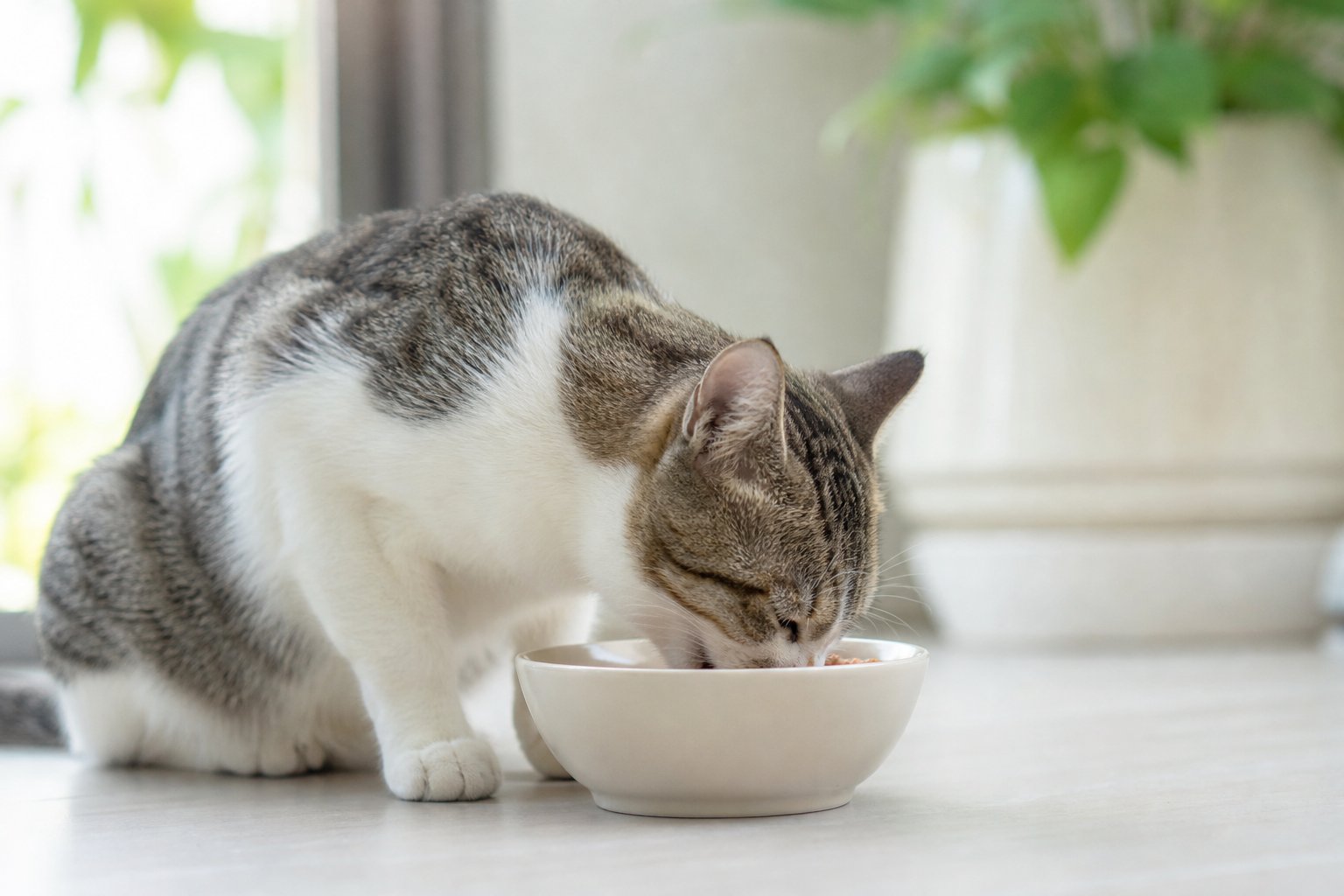
What is urinary care cat food?
Urinary care cat food is a specialised diet designed to support the health of your cat’s bladder and urinary tract. It typically controls the levels of minerals such as magnesium, phosphorus, and calcium, manages urine pH, and often increases moisture content to help dilute urine. These factors work together to reduce the risk of crystal formation and stones, and to support overall urinary tract health. It is not a standard maintenance diet for all cats; it is best used under veterinary guidance for cats with specific urinary conditions or those at high risk.
Why urinary health matters for cats
Cats are prone to urinary tract issues, partly because many are indoor pets with low water intake. Concentrated urine can lead to the formation of crystals (often struvite or calcium oxalate) and stones, which can irritate the bladder and, in severe cases, cause a blockage—especially in male cats. A blockage is a medical emergency that can become fatal within hours. While diet alone cannot prevent all problems, the right nutrition can significantly reduce risk and support recovery when combined with veterinary care.
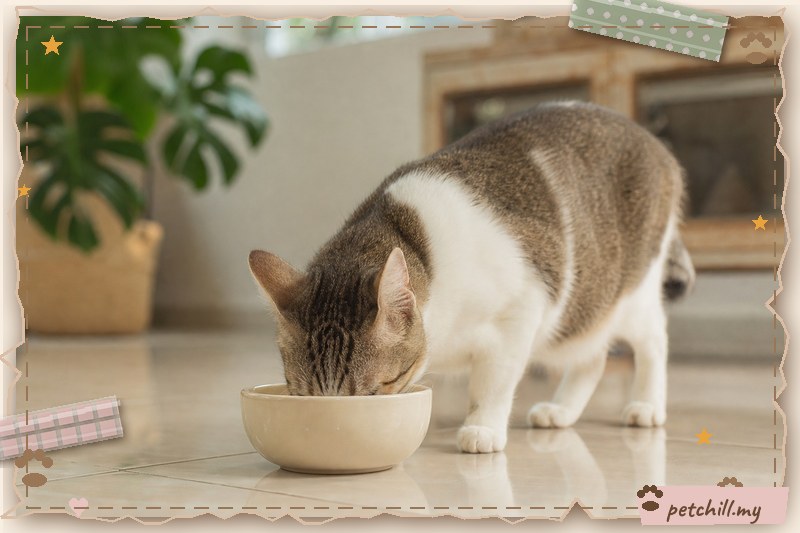
Types of urinary care cat food
Urinary care diets come in several forms, each with pros and cons. The table below compares common options.
| Type | Key features | Pros | Cons |
|---|---|---|---|
| Dry urinary care | Controlled minerals, pH balance, sometimes added moisture | Convenient, cost-effective, easy to portion | Lower moisture; some cats may not drink enough water |
| Wet urinary care | High moisture (often 75–85%), controlled minerals | Promotes dilute urine, palatable, helps hydration | More expensive, shorter shelf life after opening |
| Veterinary prescription | Formulated for specific conditions (e.g., struvite dissolution, oxalate prevention) | Targeted therapeutic benefits | Requires vet authorization, higher cost |
| Over-the-counter urinary care | General urinary support, often lower mineral levels | Accessible, no prescription needed | Less tailored; not suitable for treating active conditions |
Key ingredients and how they work
Urinary care foods manipulate several nutritional factors:
- Mineral control: Reduced magnesium, phosphorus, and calcium help limit the building blocks of crystals and stones.
- Urine pH: Some diets aim to maintain a slightly acidic urine pH to prevent struvite crystals, while others target a more neutral pH to prevent calcium oxalate stones. The right target depends on your cat’s specific condition.
- Moisture: Increased water content (especially in wet food) dilutes urine, reducing crystal concentration and promoting more frequent urination.
- Protein and sodium: Moderate protein and controlled sodium help maintain kidney health and encourage water intake without overloading the kidneys.
- Added nutrients: Some formulas include omega-3 fatty acids for bladder inflammation, or antioxidants for overall health.
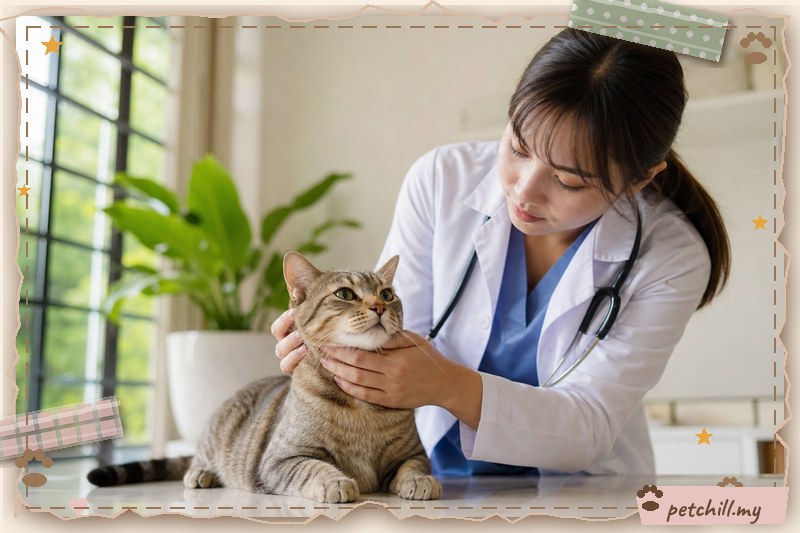
When is urinary care food appropriate?
Urinary care food is typically recommended for:
- Cats with a history of struvite or calcium oxalate crystals or stones.
- Cats that have had a urinary blockage (after emergency treatment).
- Cats with recurrent urinary tract infections or inflammation (cystitis).
- Cats at high risk due to obesity, low water intake, or a sedentary lifestyle.
- Cats with certain kidney conditions (under veterinary guidance).
It is not necessary for healthy cats with no risk factors, and it is not suitable for kittens or pregnant/nursing cats unless specifically prescribed.
How to choose the right urinary care food
Choosing the right diet depends on your cat’s specific health status. Here’s a step-by-step approach:
- Get a veterinary diagnosis. Your vet may analyse urine, do imaging, or run blood tests to identify crystals, stones, or infection. The type of crystal matters: struvite and calcium oxalate require different dietary approaches.
- Ask about prescription vs. over-the-counter. If your cat has an active condition, a prescription diet is often necessary. For prevention in at-risk cats, an over-the-counter urinary care diet may suffice.
- Consider moisture content. Wet food is generally preferred for urinary health due to its high water content. If your cat prefers dry food, choose a dry urinary diet and encourage water intake through fountains or multiple bowls.
- Check the nutritional adequacy statement. Ensure the food meets AAFCO or equivalent standards for your cat’s life stage.
- Evaluate palatability and cost. Cats can be picky; choose a formula your cat will eat consistently. Local prices vary, so ask your Malaysian vet or retailer for options that fit your budget.
- Transition gradually. Mix increasing amounts of the new food with the old over 7–10 days to avoid digestive upset.
Feeding tips and transition strategies
Switching foods requires patience. Here’s a sample transition schedule:
| Day | Old food | New food |
|---|---|---|
| 1–2 | 75% | 25% |
| 3–4 | 50% | 50% |
| 5–6 | 25% | 75% |
| 7–10 | 0% | 100% |
If your cat resists, slow down and extend each stage. Never starve a cat to force a switch; cats can develop serious liver problems if they don’t eat for more than 24–48 hours. If your cat is reluctant, try warming wet food slightly, offering it in a quiet place, or mixing in a little of the old food.
Water intake and environmental management
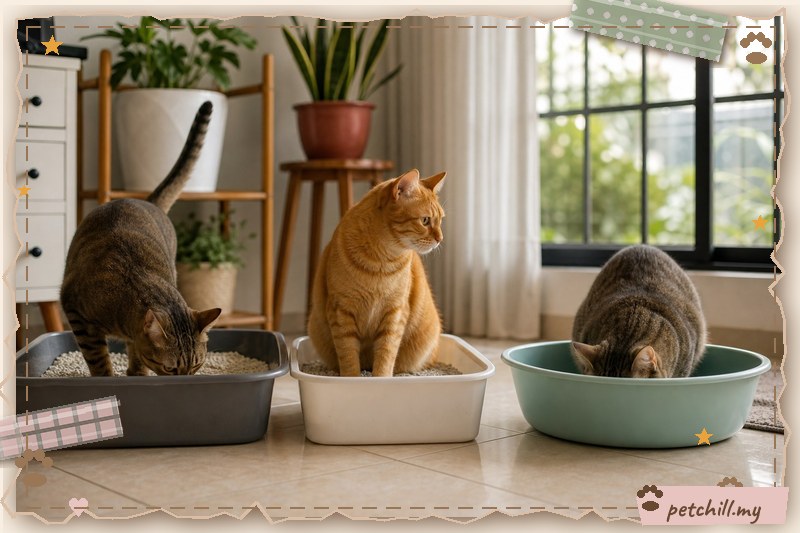
Even with urinary care food, hydration is crucial. Encourage drinking by:
- Providing fresh water daily in multiple bowls.
- Using a pet water fountain; many cats prefer running water.
- Adding water to wet food (if your cat accepts it).
- Keeping water bowls away from litter boxes and food.
- Considering a larger water surface area; some cats prefer wide bowls.
In Malaysian homes, air-conditioning can dry out the air; ensure water is always available. If you have a multi-cat household, provide separate water stations to reduce competition.
Common mistakes to avoid
- Feeding urinary care food to healthy cats without vet advice. It can cause nutritional imbalances.
- Mixing prescription and non-prescription foods. This can dilute the therapeutic effect.
- Ignoring signs of illness. Food is not a substitute for veterinary care.
- Sudden diet changes. Always transition gradually.
- Assuming dry food is enough. Many cats on dry food need extra water encouragement.
- Not monitoring litter box habits. Changes in urination frequency or volume can signal problems.
When to see a vet
Seek veterinary care immediately if your cat shows any of these signs:
- Straining to urinate or crying out in the litter box.
- Producing little or no urine.
- Blood in the urine.
- Frequent attempts to urinate with only small amounts.
- Vomiting, lethargy, or loss of appetite combined with urinary signs.
- Licking the genital area excessively.
These can indicate a blockage, infection, or stones, which require prompt treatment. Do not wait; male cats especially can deteriorate quickly.
Local considerations for Malaysian cat owners
In Malaysia, many cats live in apartments or terrace houses with limited outdoor access, which can reduce activity and water intake. The hot, humid climate may also affect your cat’s drinking habits. Here are some local examples:
- Kuala Lumpur apartment: Limited space may mean fewer water bowls; place them in multiple rooms and consider a fountain to encourage drinking. Keep litter boxes away from food and water.
- Johor terrace house: With more space, you can set up water stations in different areas and even a catio for safe outdoor access, which may encourage activity and hydration.
Always consult a local veterinarian for advice tailored to your cat. Prices for urinary care foods vary, so check with your vet or pet retailer for options.
Vet disclaimer
This article is for informational purposes only and does not replace professional veterinary advice. Always consult a licensed veterinarian for diagnosis and treatment of your cat’s health conditions. Dietary changes should be made under veterinary supervision.
Related reading
- Best Hypoallergenic Cat Food in Malaysia: A Practical Guide for Itchy, Scratching Cats
- Best Urinary Care Cat Food in Malaysia: How to Choose (2025 Guide)
- Best Weight Control Cat Food in Malaysia: A Practical Buying Guide
- Food for Picky Cats: A Feeding Guide for Malaysian Cat Owners
- Food for Picky Cats in Malaysia: A Practical Feeding Guide
- How to Choose Food for Picky Cats: A Malaysian Guide
- How to Choose Urinary Care Cat Food for Cats: A Malaysian Owner's Guide
- Hypoallergenic Cat Food in Malaysia: A Practical Guide for Itchy, Scratchy Cats
- Urinary Care Cat Food: A Feeding Guide for Malaysian Cat Owners
- Weight Control Cat Food in Malaysia: How to Choose, Portion and Track Progress
- Best Dry Cat Food for Cats in Malaysia: A Practical Buying Guide

